Last updated:
AI Knowledge Hub: Technical Guides & Deep Dives
LargitData AI Knowledge Hub: comprehensive guides on sentiment analysis, RAG, LLM, OCR, ASR and more.
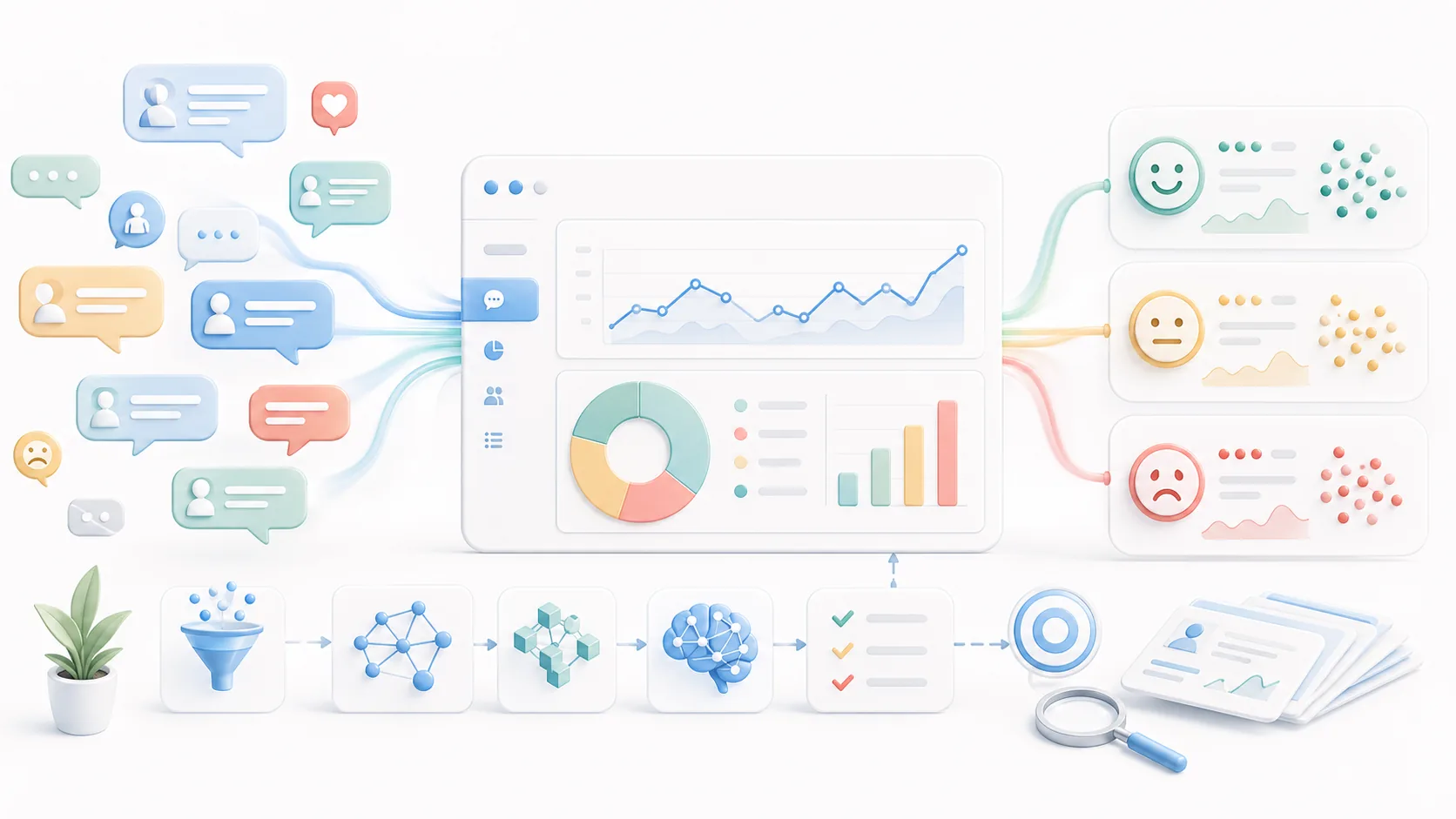
What is Sentiment Analysis? Models and Accuracy
How sentiment analysis works: model architectures, polarity scoring, why Chinese negation and sarcasm are hard, and how to judge accuracy.
Read More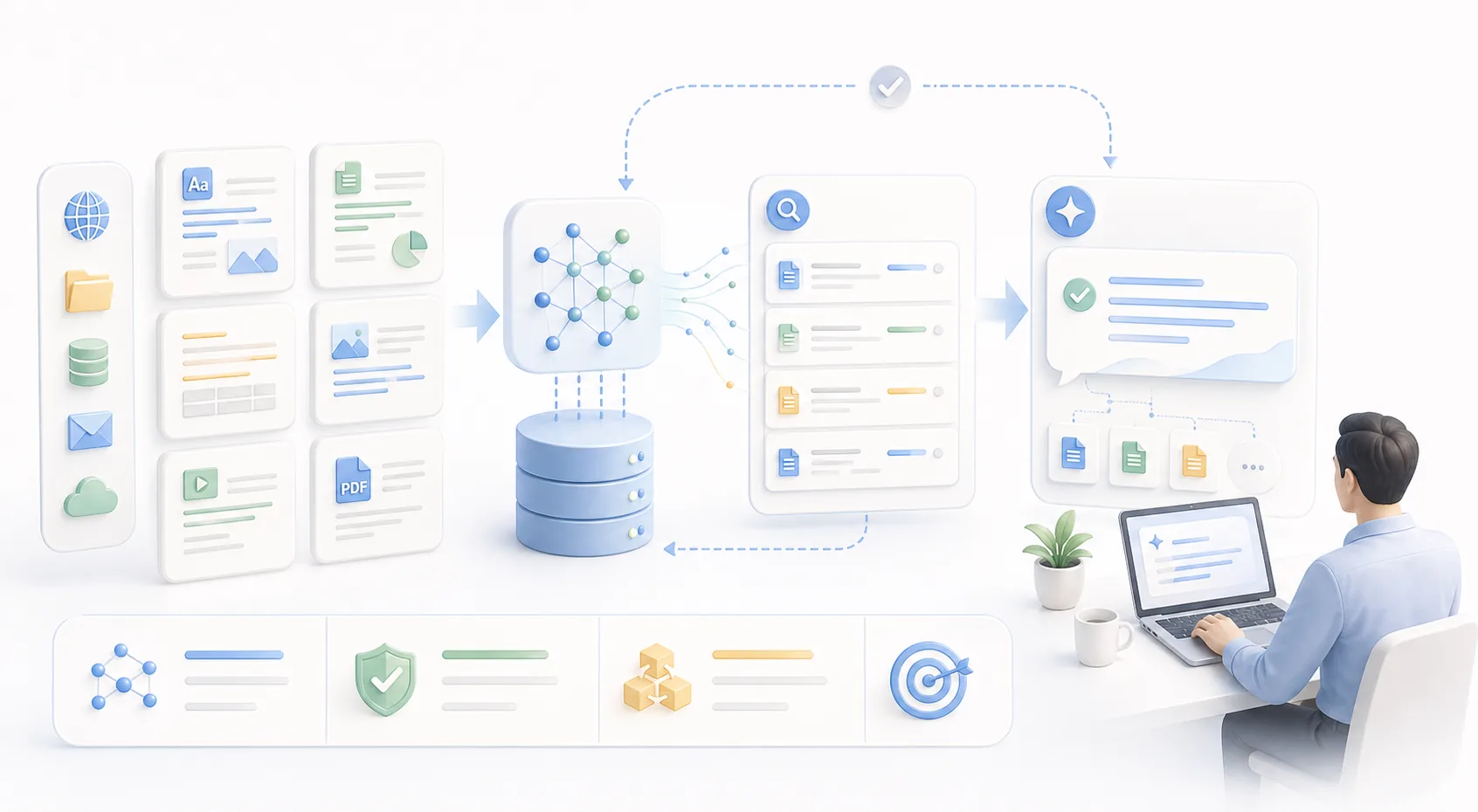
What is RAG? Retrieval-Augmented Generation
Understand how RAG combines retrieval and generation to build accurate, reliable enterprise AI applications with reduced hallucination.
Read More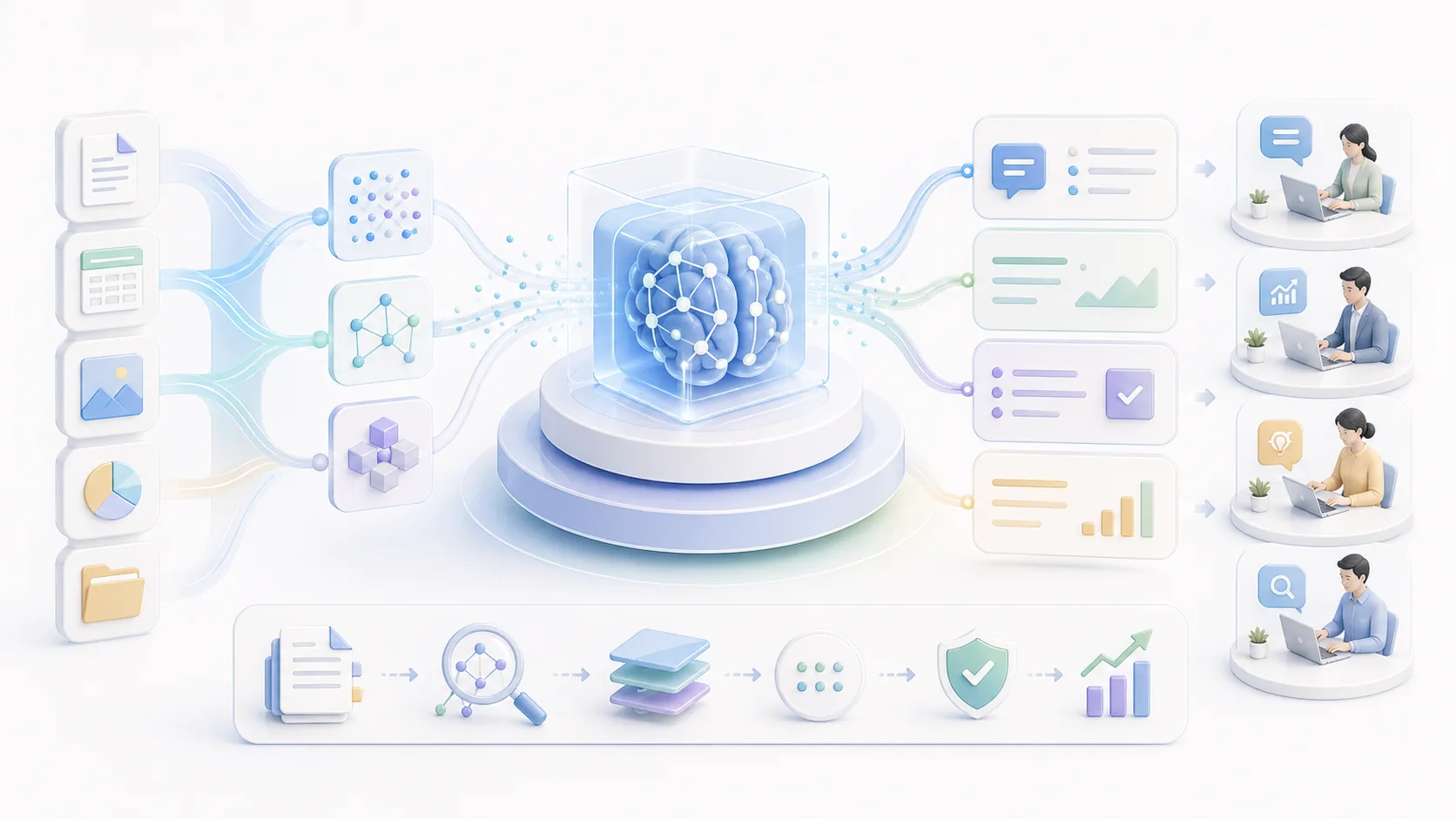
What is an LLM? A Guide to Large Language Models
A beginner-friendly guide to Large Language Models: how they work, key models compared, and how enterprises can leverage LLMs.
Read More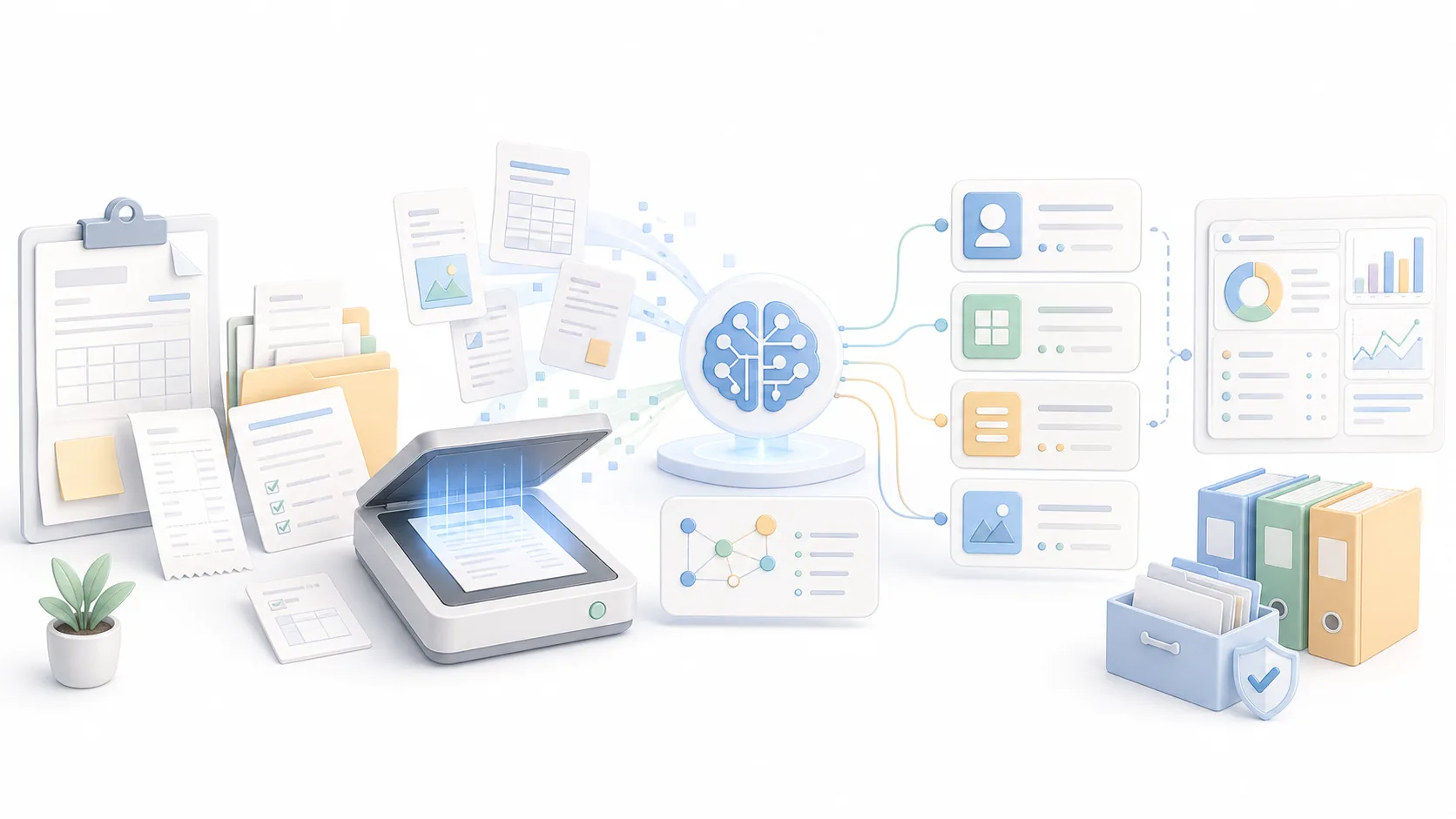
OCR Explained: Optical Character Recognition
A comprehensive guide to OCR technology: from traditional methods to deep learning, covering accuracy, use cases, and enterprise deployment.
Read More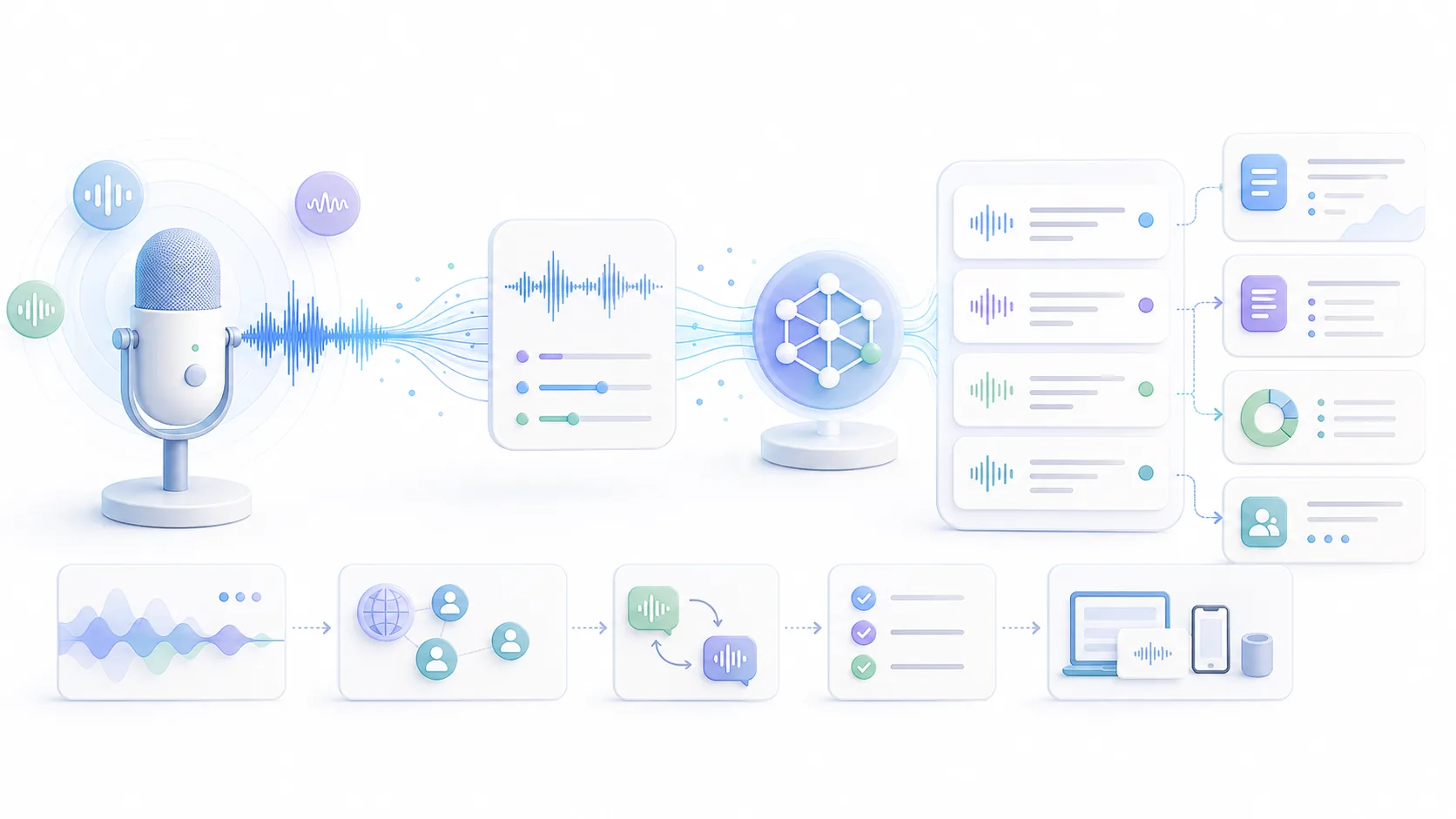
ASR Explained: Automatic Speech Recognition
Understand Automatic Speech Recognition: how it works, architectures from acoustic models to end-to-end deep learning, and industry use cases.
Read More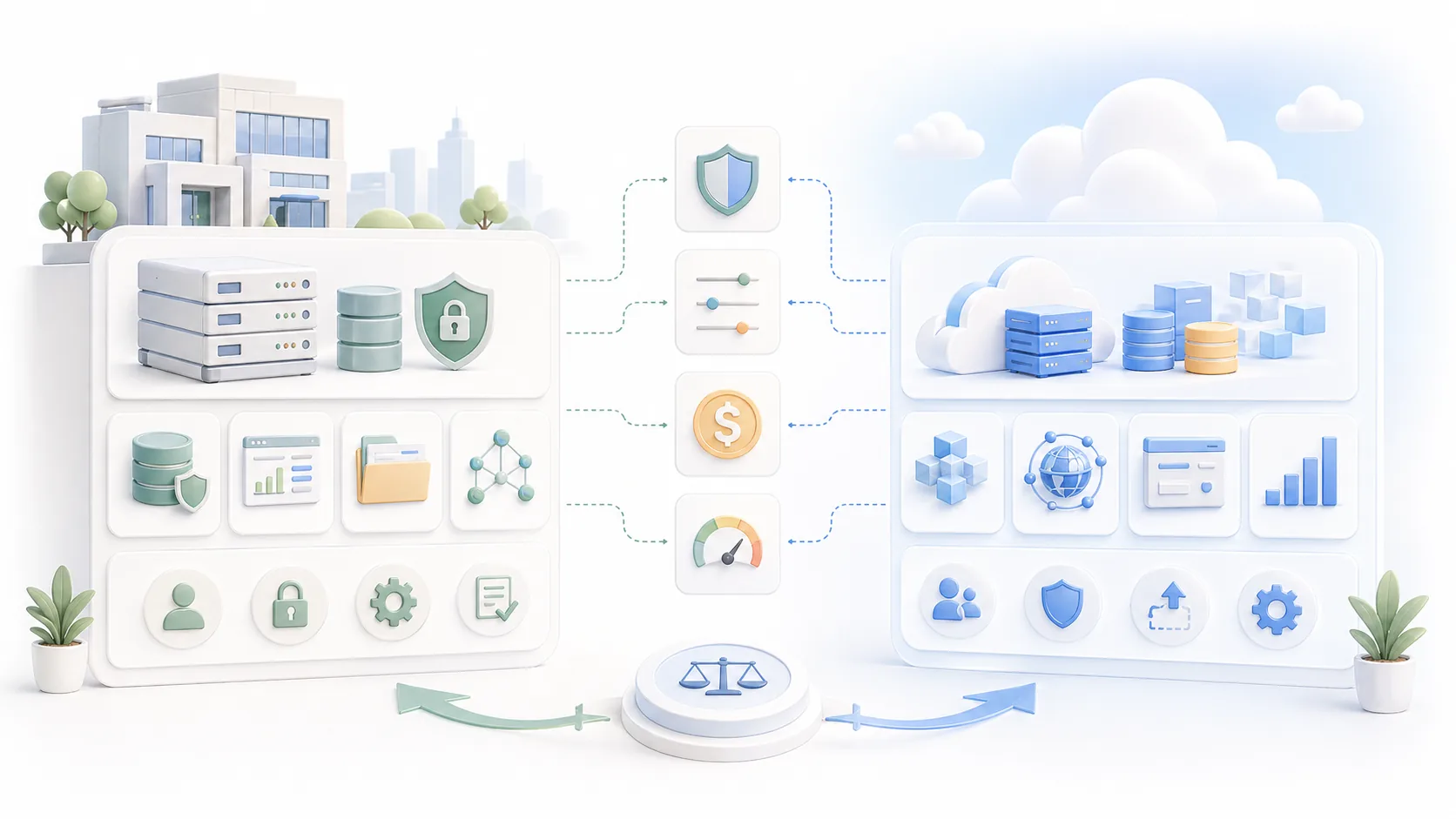
On-Premise AI vs Cloud AI: Deployment Compared
Compare on-premise and cloud AI deployment: costs, security, performance, and compliance to help enterprises choose the right approach.
Read More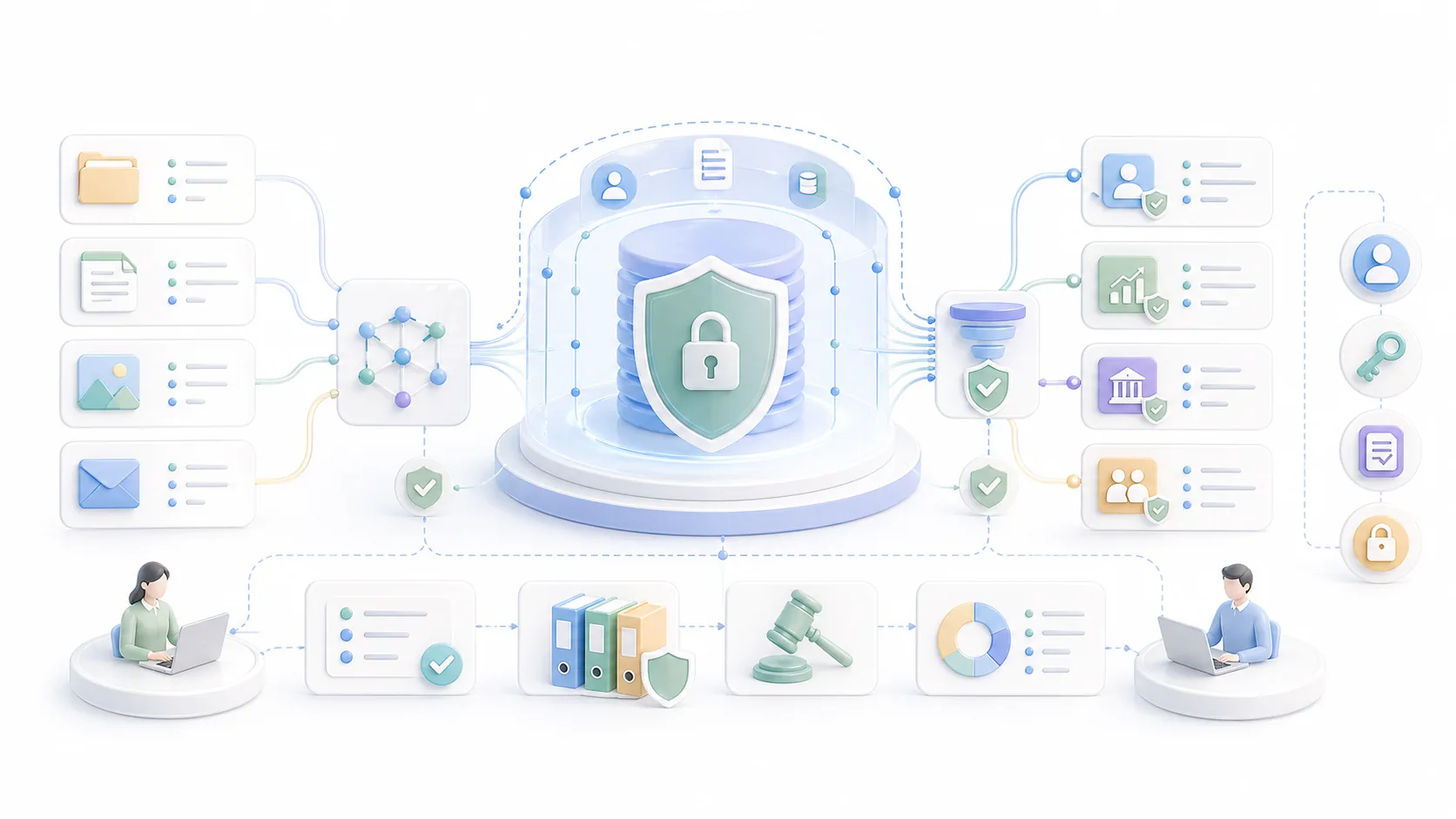
Enterprise AI Security & Data Governance Guide
A comprehensive guide to AI security risks, data governance strategies, and compliance best practices for enterprise AI adoption.
Read More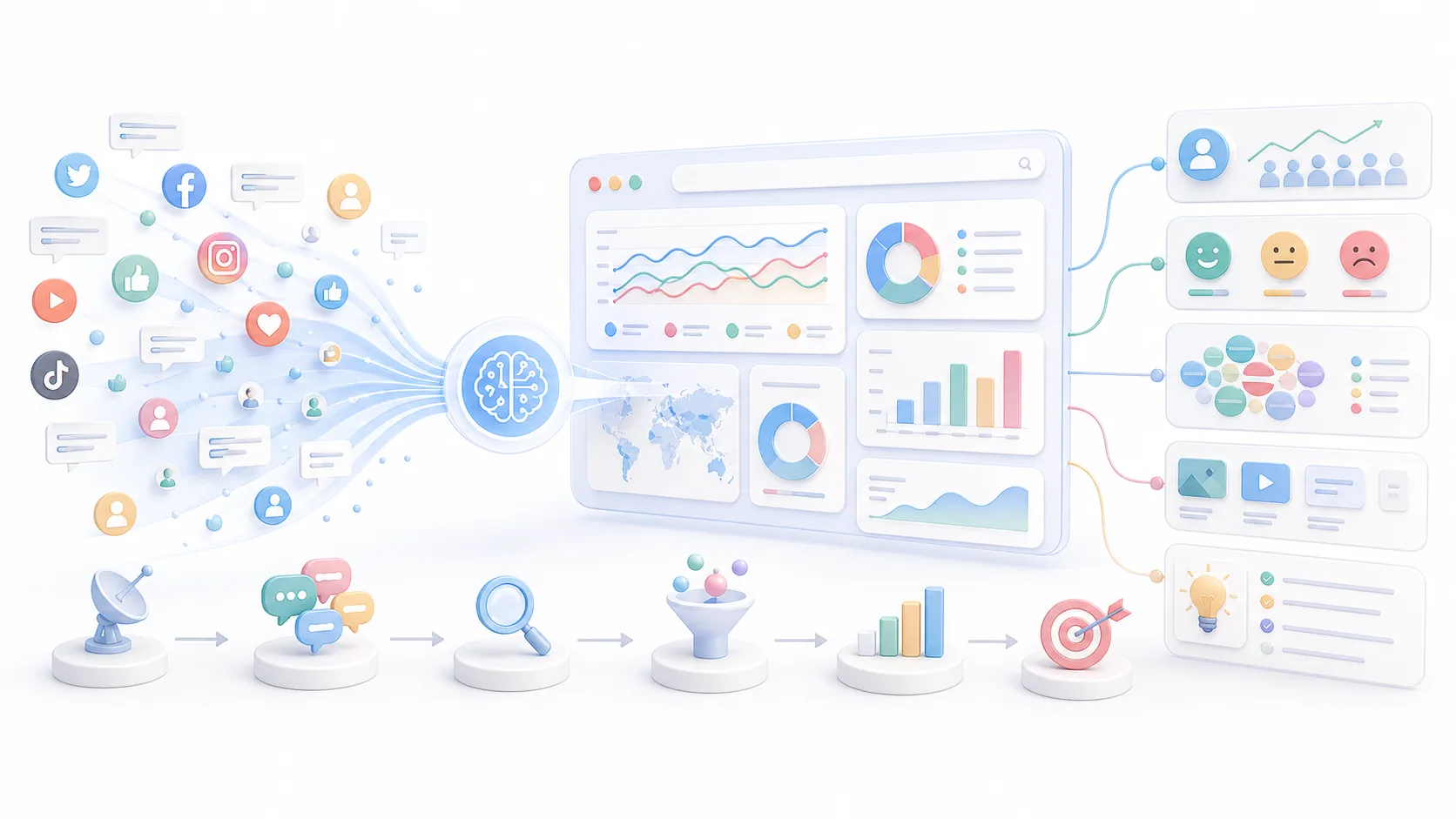
Social Listening Guide: From Monitoring to Insight
Master social listening strategies, tools, and best practices. Learn to turn social media data into actionable business insights.
Read More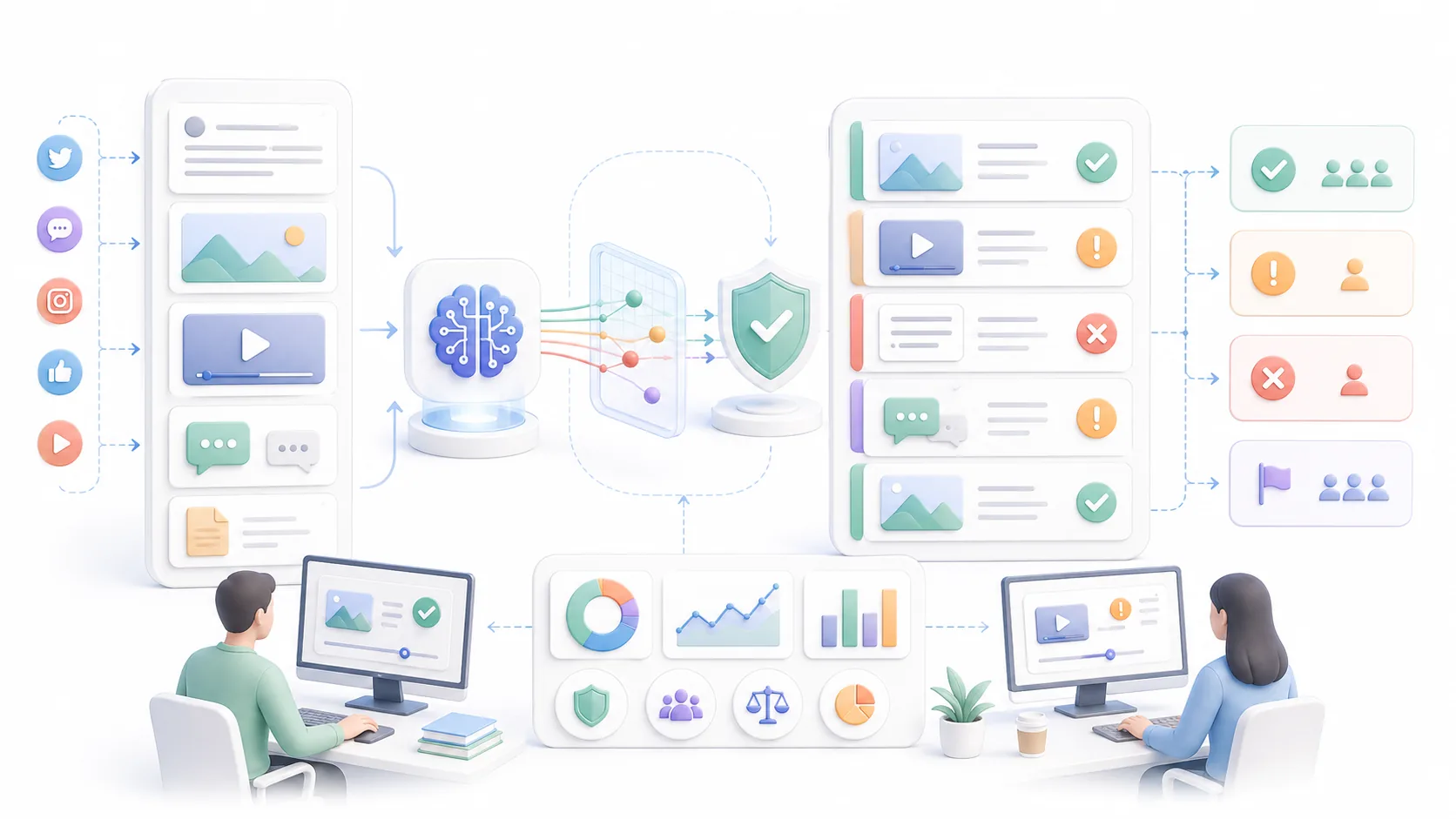
AI Content Moderation: Technology and Applications
Learn how AI automates content moderation across text, image, and video to protect brand reputation and user safety.
Read More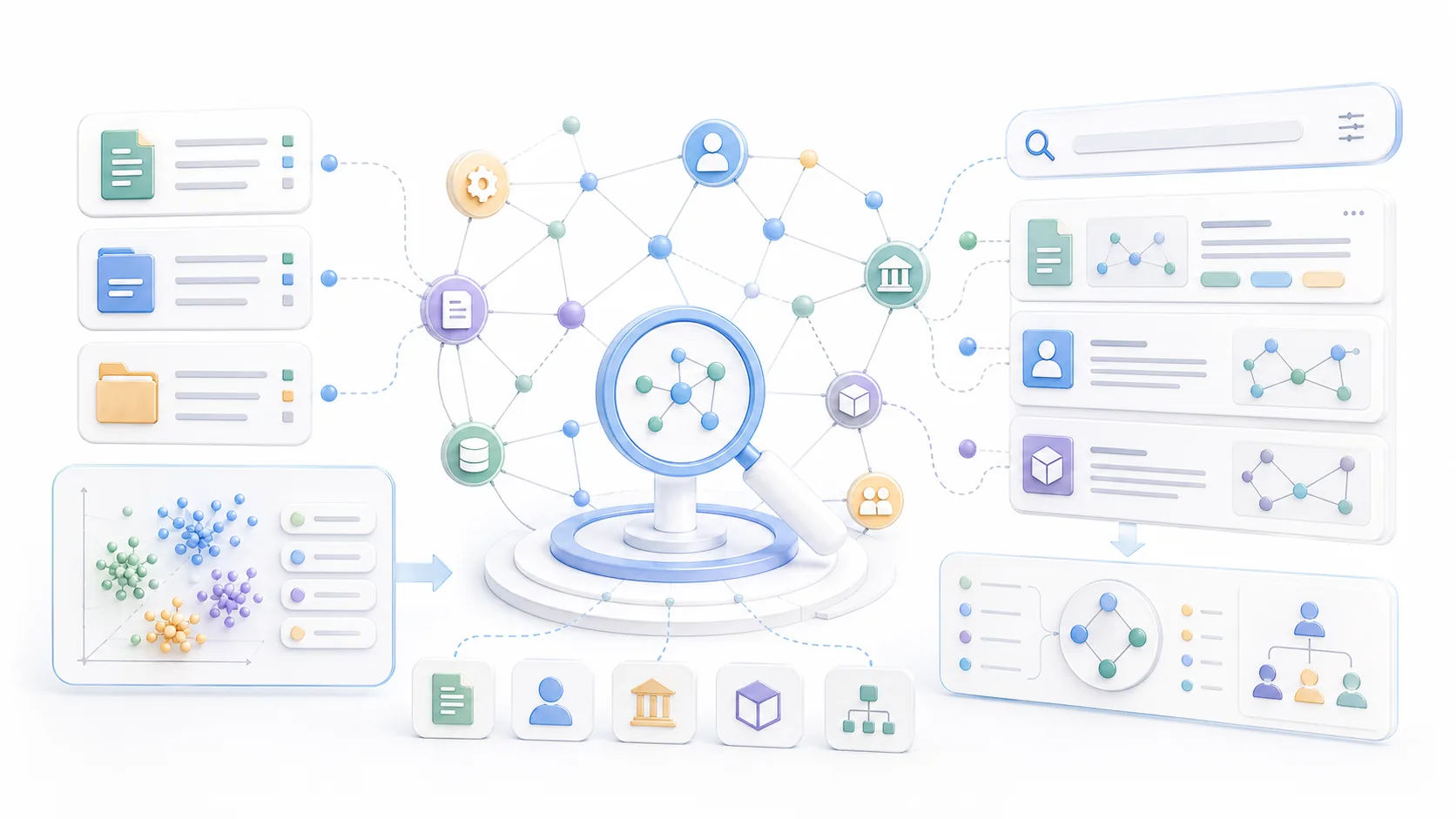
Knowledge Graphs & Semantic Search Guide
How knowledge graphs sharpen AI search by pairing semantic understanding with structured knowledge for enterprise knowledge management.
Read More
Enterprise RAG Knowledge Base Guide 2026
How enterprise RAG turns internal documents into governed, searchable knowledge: architecture, hallucination control, ROI and selection.
Read More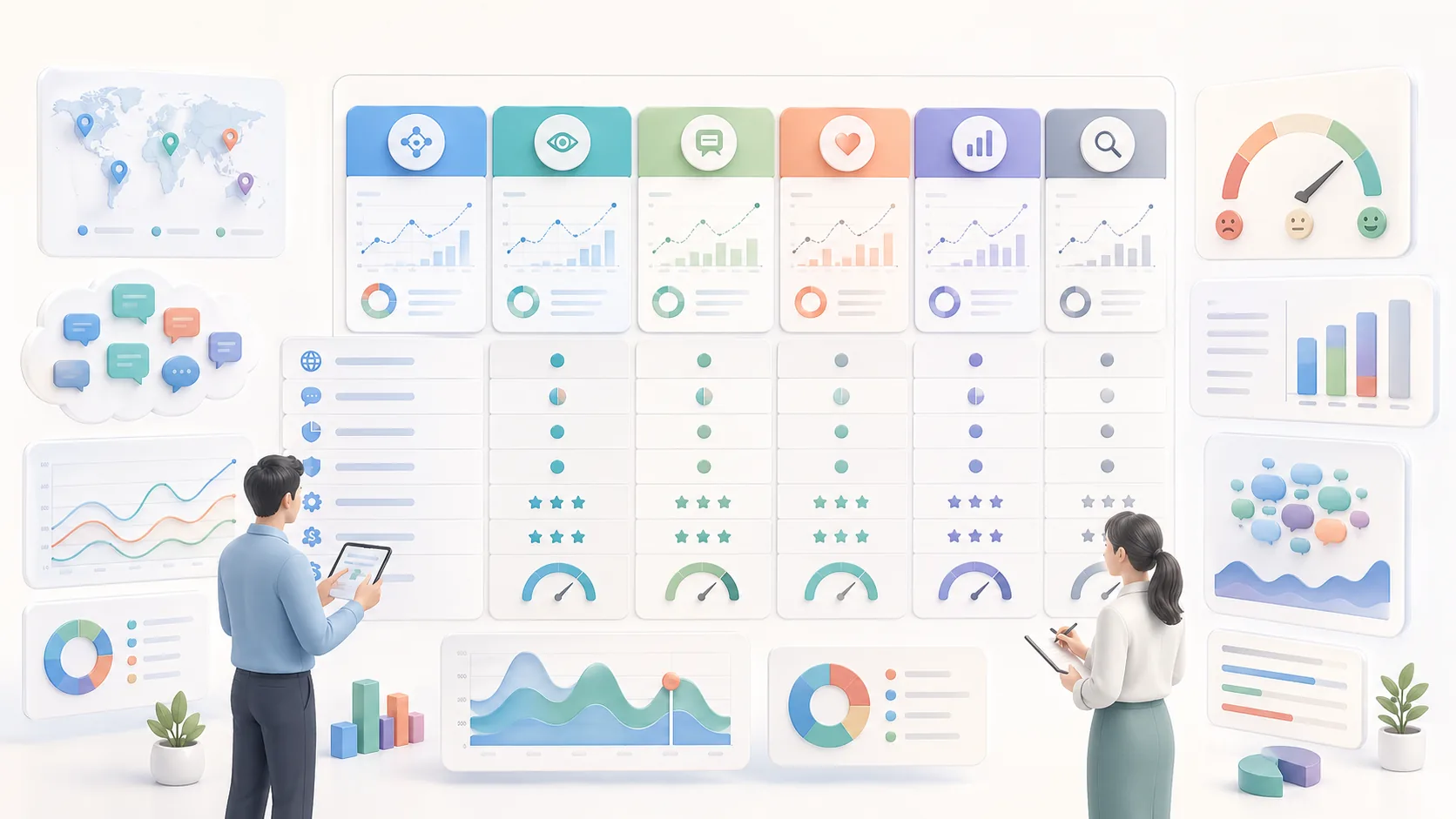
Sentiment Tools 2026: 5 Criteria, 10 Compared
The top sentiment analysis tools for 2026 compared on Taiwan platform coverage, Traditional Chinese NLP accuracy, APIs and reporting.
Read More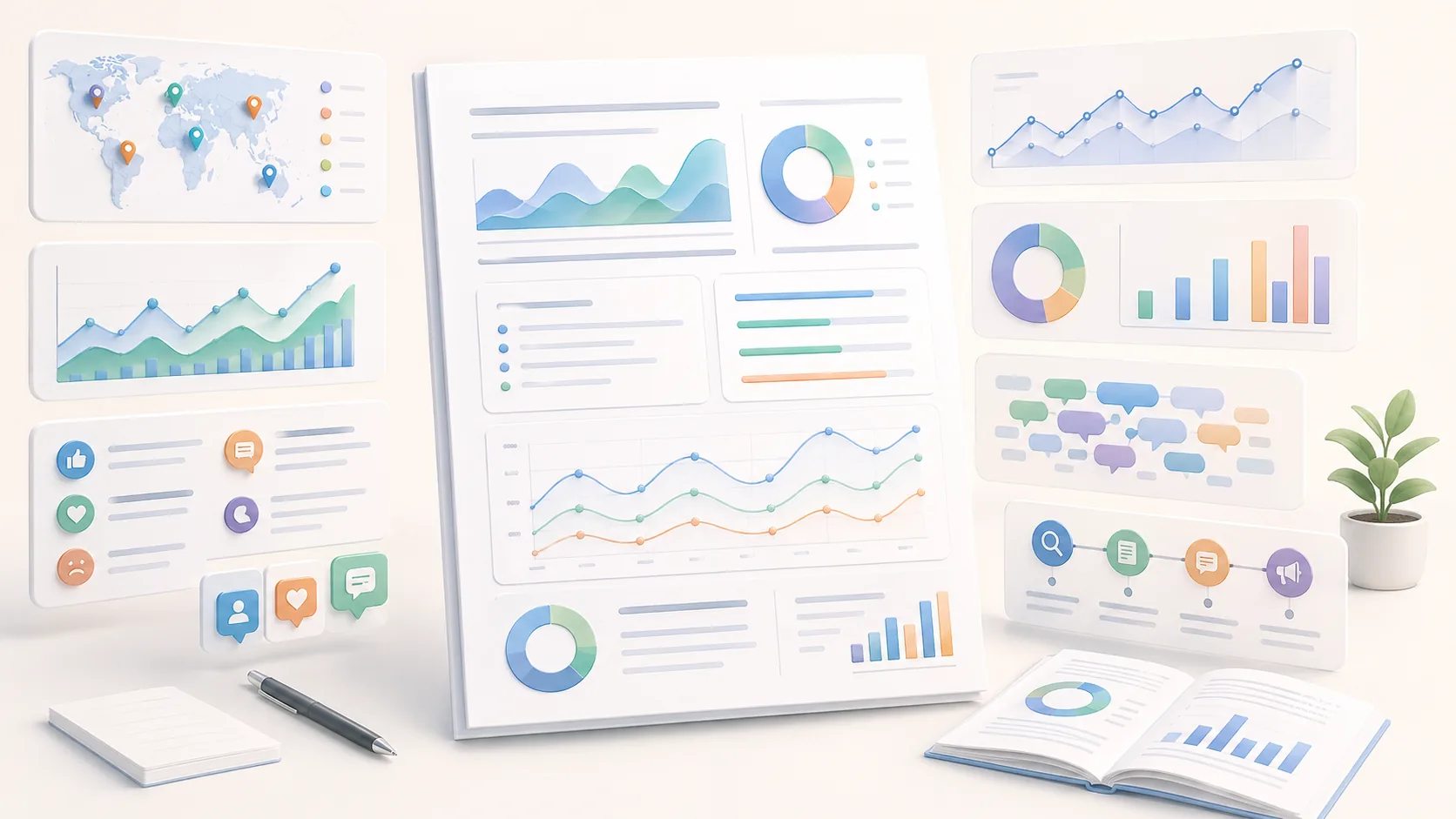
How to Write a Sentiment Analysis Report
Write professional sentiment analysis reports: structure, KPI selection, data visualization, audience-tailored versions and automation.
Read More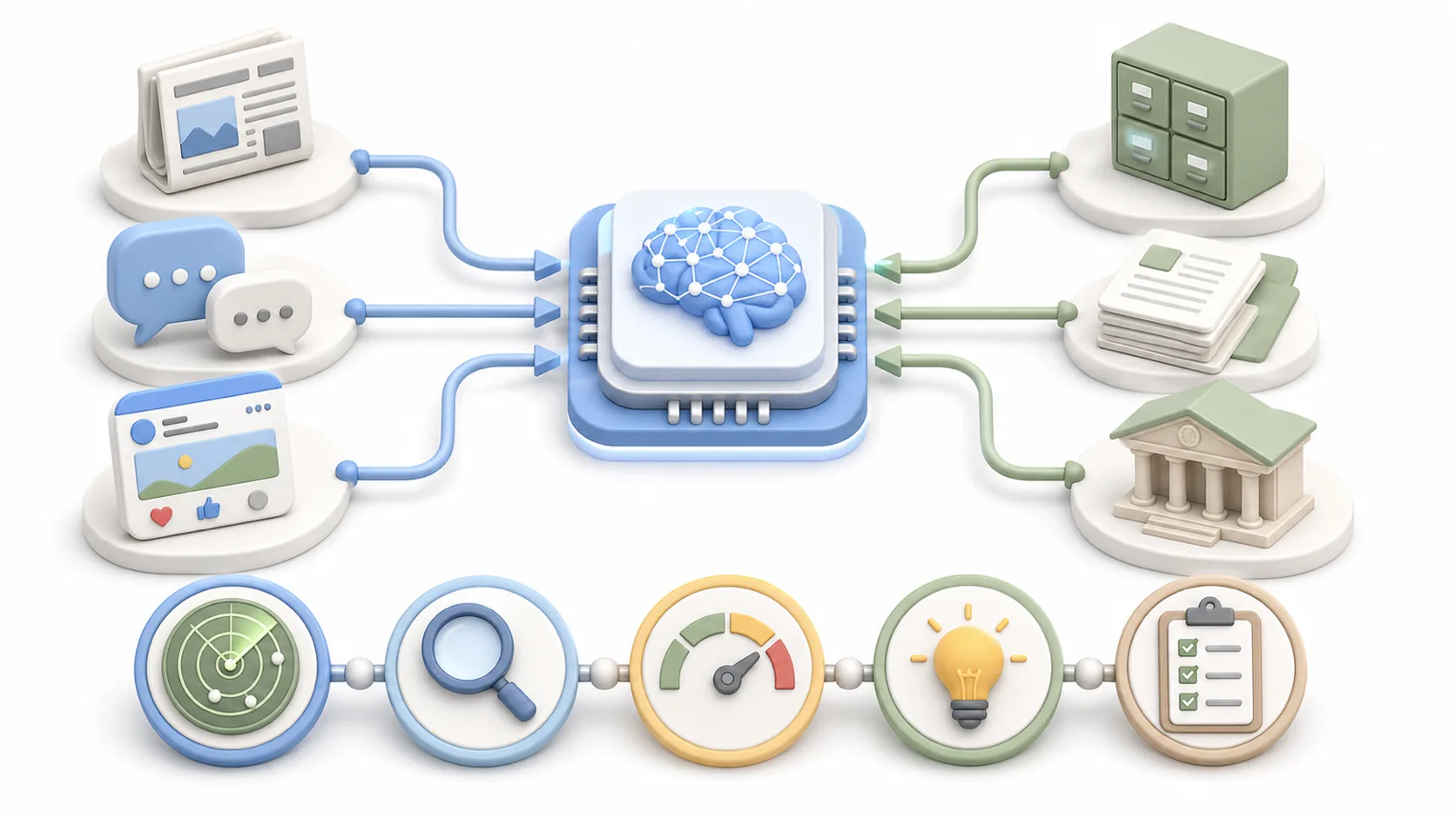
What is a Government AI Copilot? 6 Use Cases
Government AI copilots combine live external intelligence, agency knowledge and generative AI: definition, six use cases, architecture.
Read More
Government AI Copilot vs AI Chatbot Compared
Government AI copilots vs generative AI chatbots on five dimensions: data sources, proactivity, context, traceability and task loop.
Read More
AI Executive Sentiment Briefings: Workflow
Automate daily executive sentiment briefings with AI: standard fields, a 5-step workflow, role-based versions, review gates, template.
Read More
AI for Council Interpellation: Full Workflow
AI-supported council interpellation: pre-session issue assessment, real-time transcription, and post-session commitment tracking.
Read More
Government AI Copilot Security, Audit & On-Premise
Six security requirements for government AI copilots: data sovereignty, on-premise options, RBAC, model logging and output audit trails.
Read More
Government Sentiment & Public Opinion Analysis
How Taiwan agencies use sentiment analysis for policy tracking, satisfaction monitoring and crisis warning, plus joint-contract buying.
Read More
Sentiment vs Media Monitoring: Sources and Depth
Sentiment monitoring vs media monitoring: technical architecture, data sources, analysis depth, use cases and how to choose between them.
Read More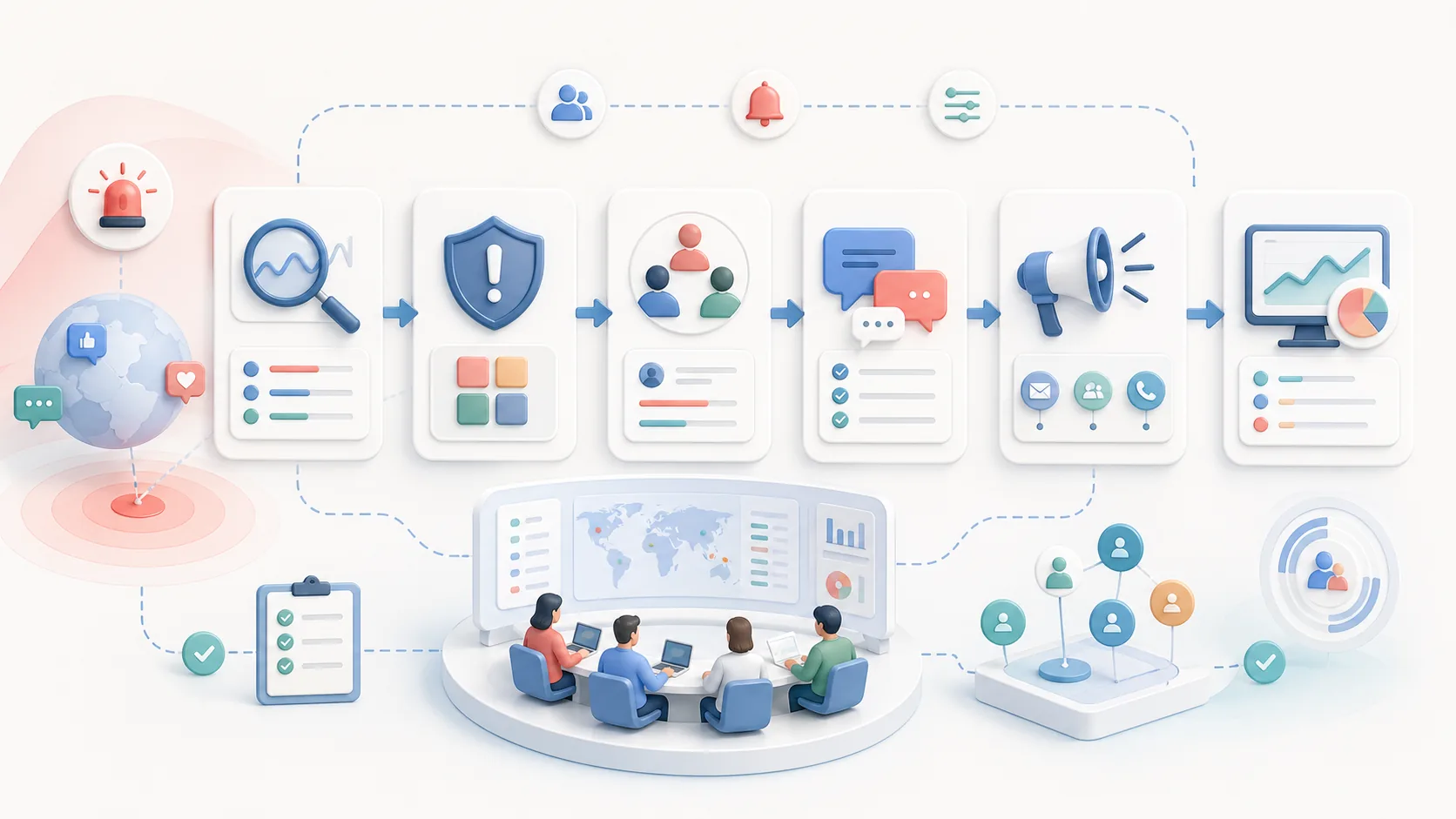
Crisis Communication SOP: A 7-Step PR Guide
Crisis level classification, the golden 1-hour principle and a 7-step SOP for PR and brand teams, with sentiment tooling at each stage.
Read More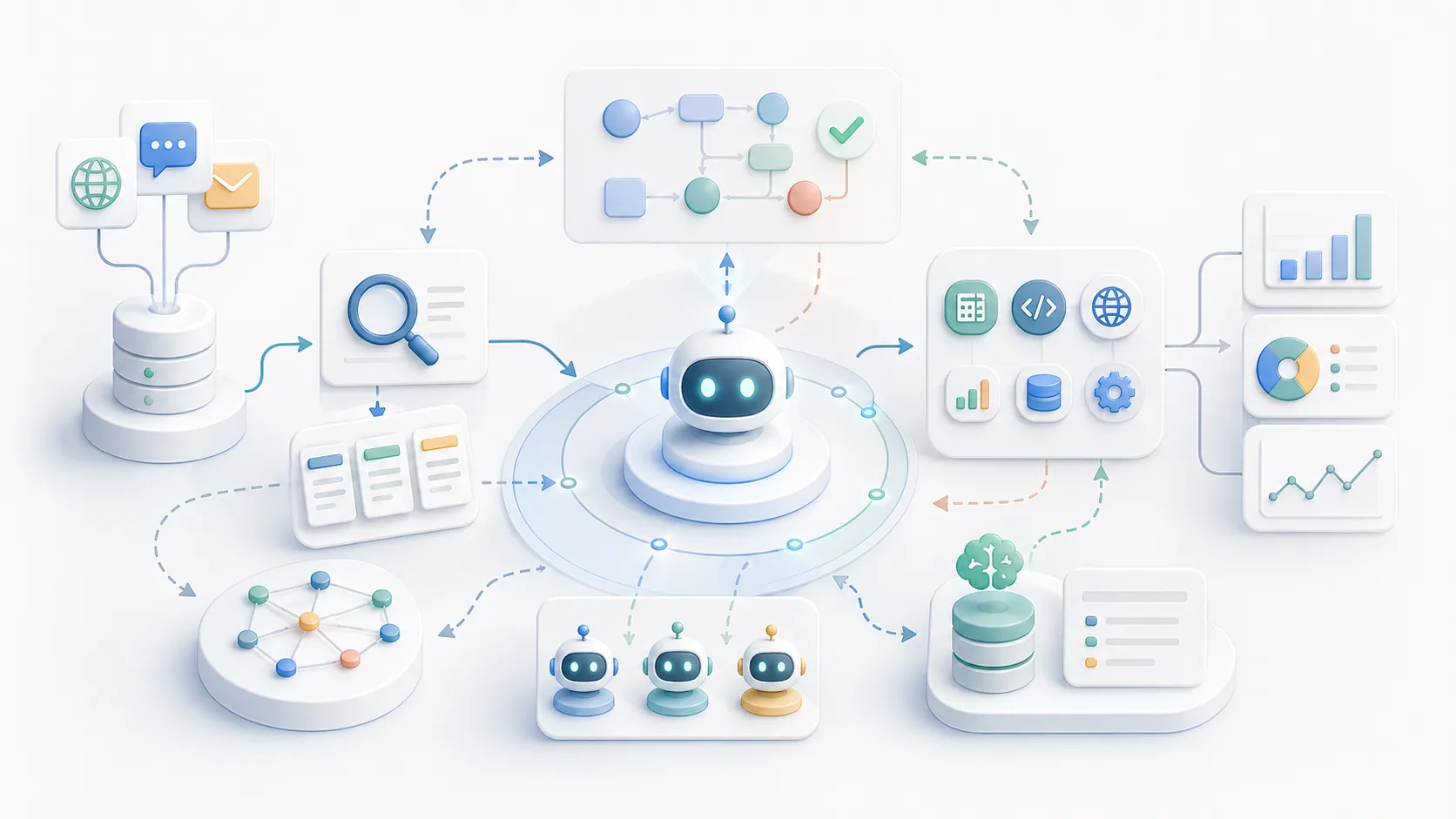
What is Agentic RAG? AI Agent + RAG Architecture
Agentic RAG combines AI Agent reasoning with RAG retrieval: ReAct and Plan-and-Execute architectures, and where it beats classic RAG.
Read More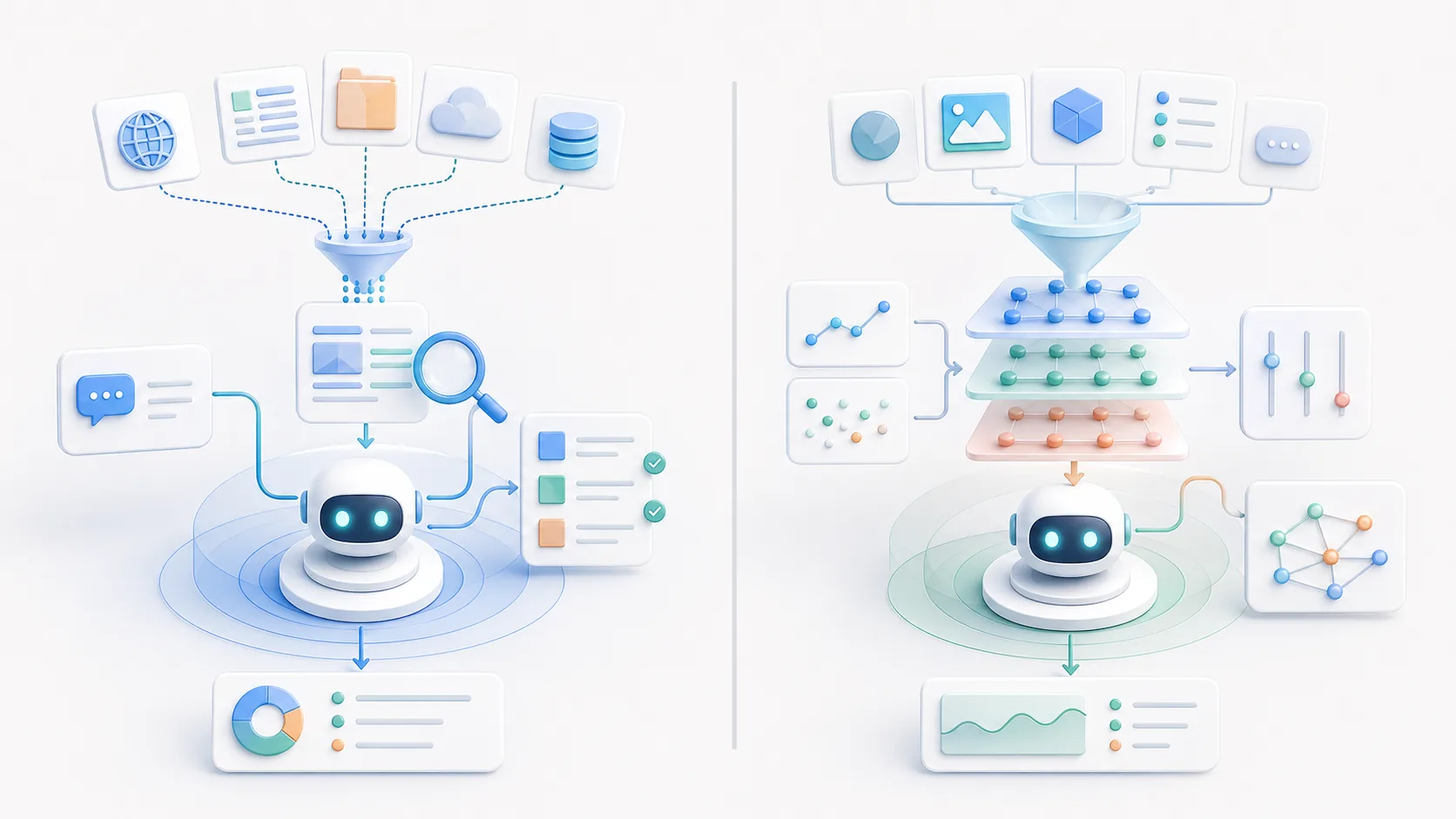
RAG vs Fine-tuning: Enterprise AI Decision Guide
RAG vs fine-tuning for enterprise AI: cost, knowledge update flexibility, accuracy, data security, and a practical decision framework.
Read More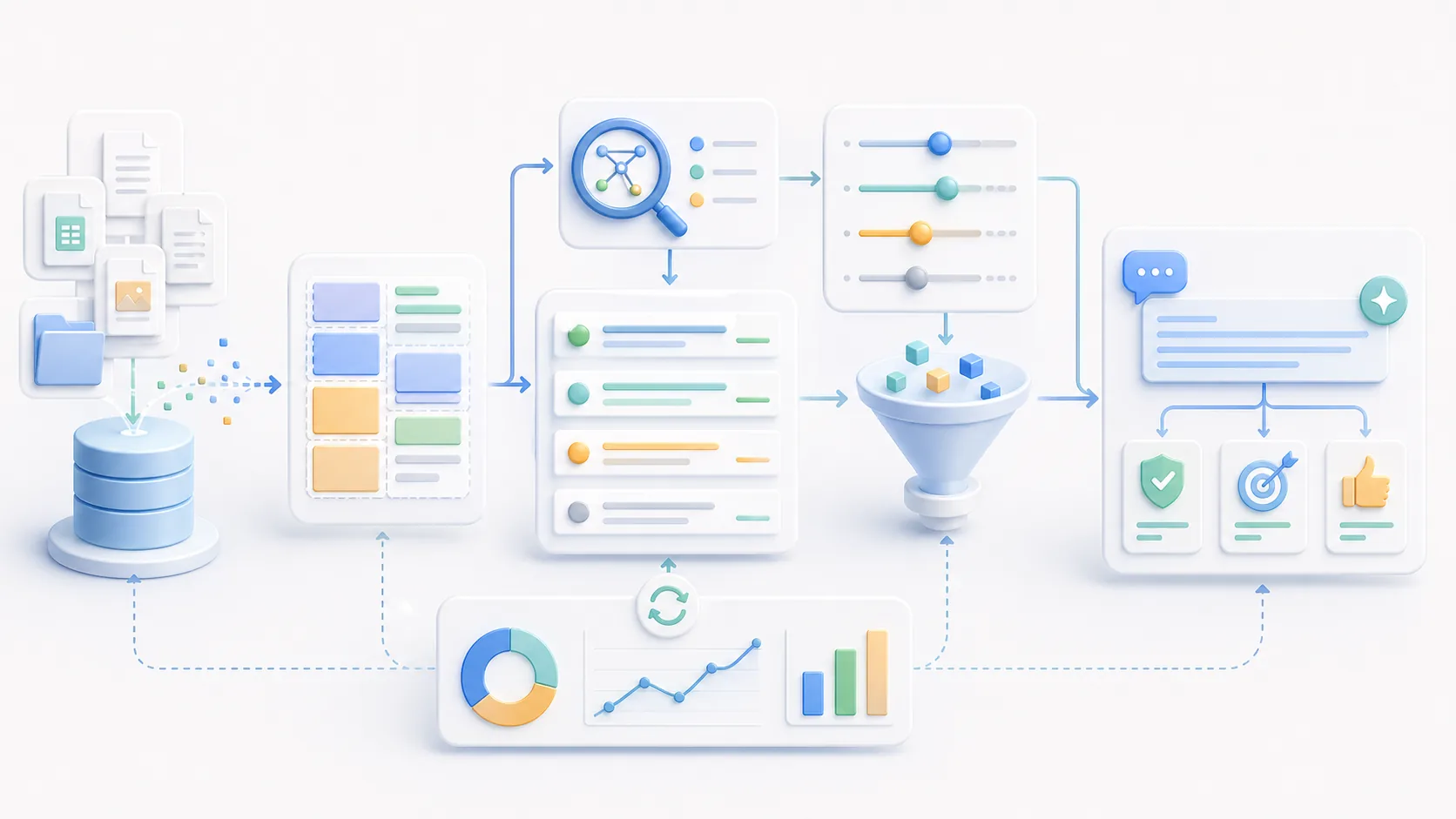
How to Improve RAG Accuracy: 10 Strategies
Ten strategies to improve RAG accuracy: chunking, embedding choice, hybrid search, re-ranking, HyDE, context compression and RAGAS.
Read More
Enterprise RAG Cases by Industry
Enterprise RAG across finance, government, manufacturing, service and insurance: pain points, implementation essentials and metrics.
Read More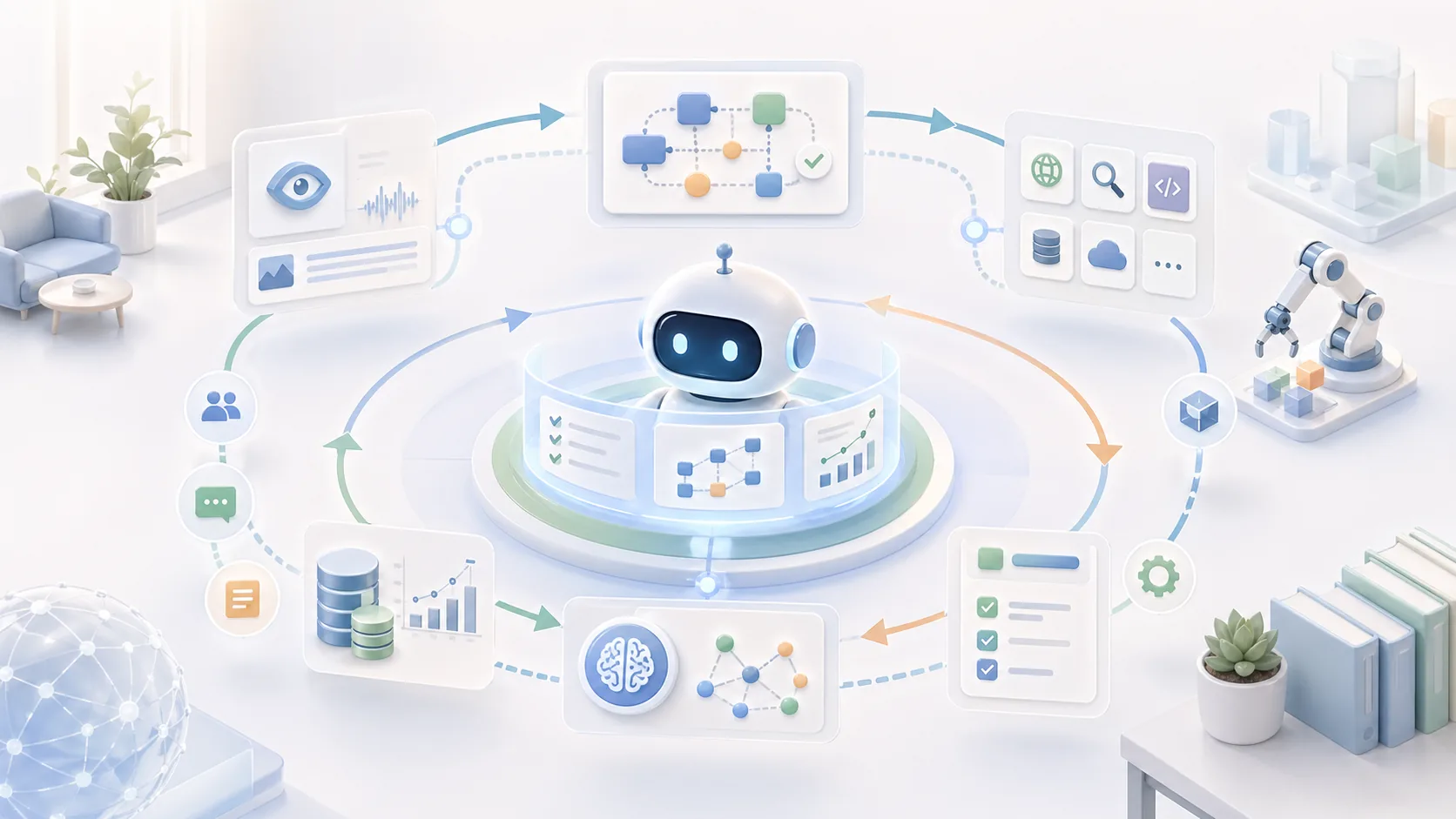
What is an AI Agent? Principles & 2026 Applications
AI Agents explained: definition, four core components (perception, reasoning, action, memory), the ReAct framework and 2026 use cases.
Read More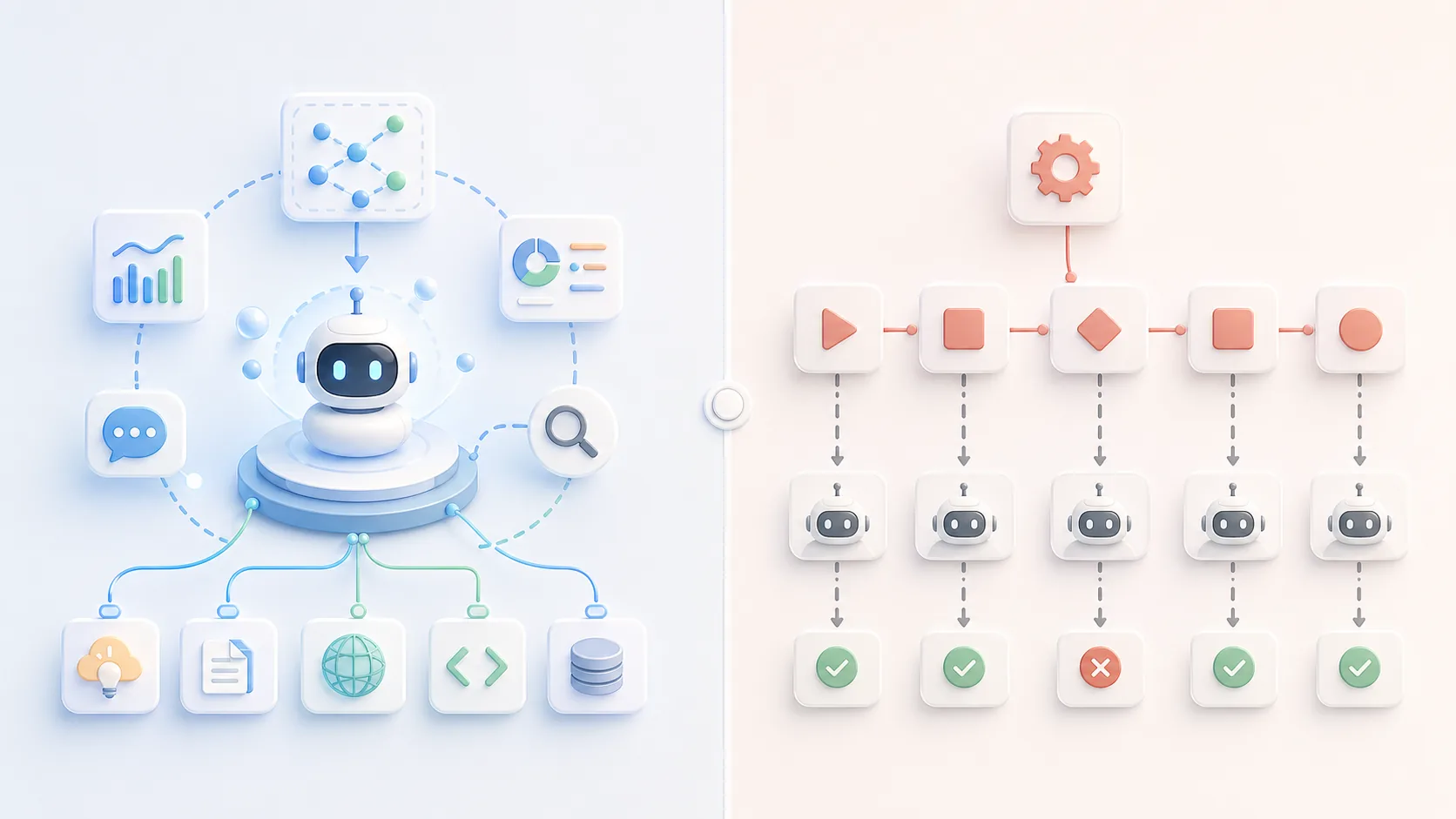
AI Agent vs RPA: Comparison & Selection Guide
AI Agent vs RPA compared: technical differences, 3-year TCO, migration strategy, and best practice for hybrid automation.
Read More
AI Agent Use Cases: 10 Enterprise Applications
10 enterprise AI Agent use cases with ROI metrics: customer service, research, financial compliance, IT ops, brand monitoring, HR.
Read More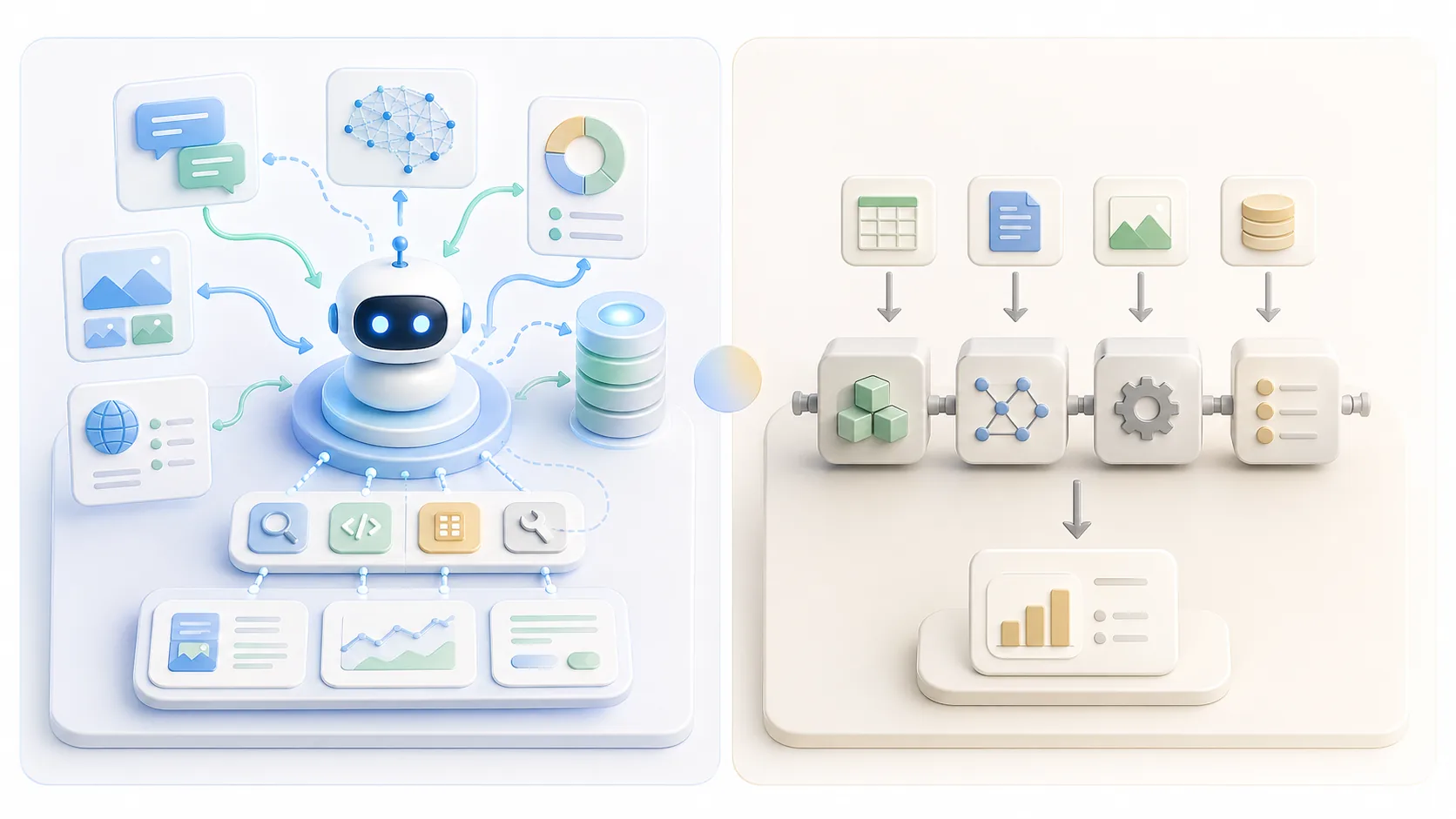
LLM Agent vs Traditional AI: Upgrade Guide
Traditional AI vs LLM Agents: reasoning, zero-shot learning, when to upgrade, and how to design hybrid enterprise architectures.
Read More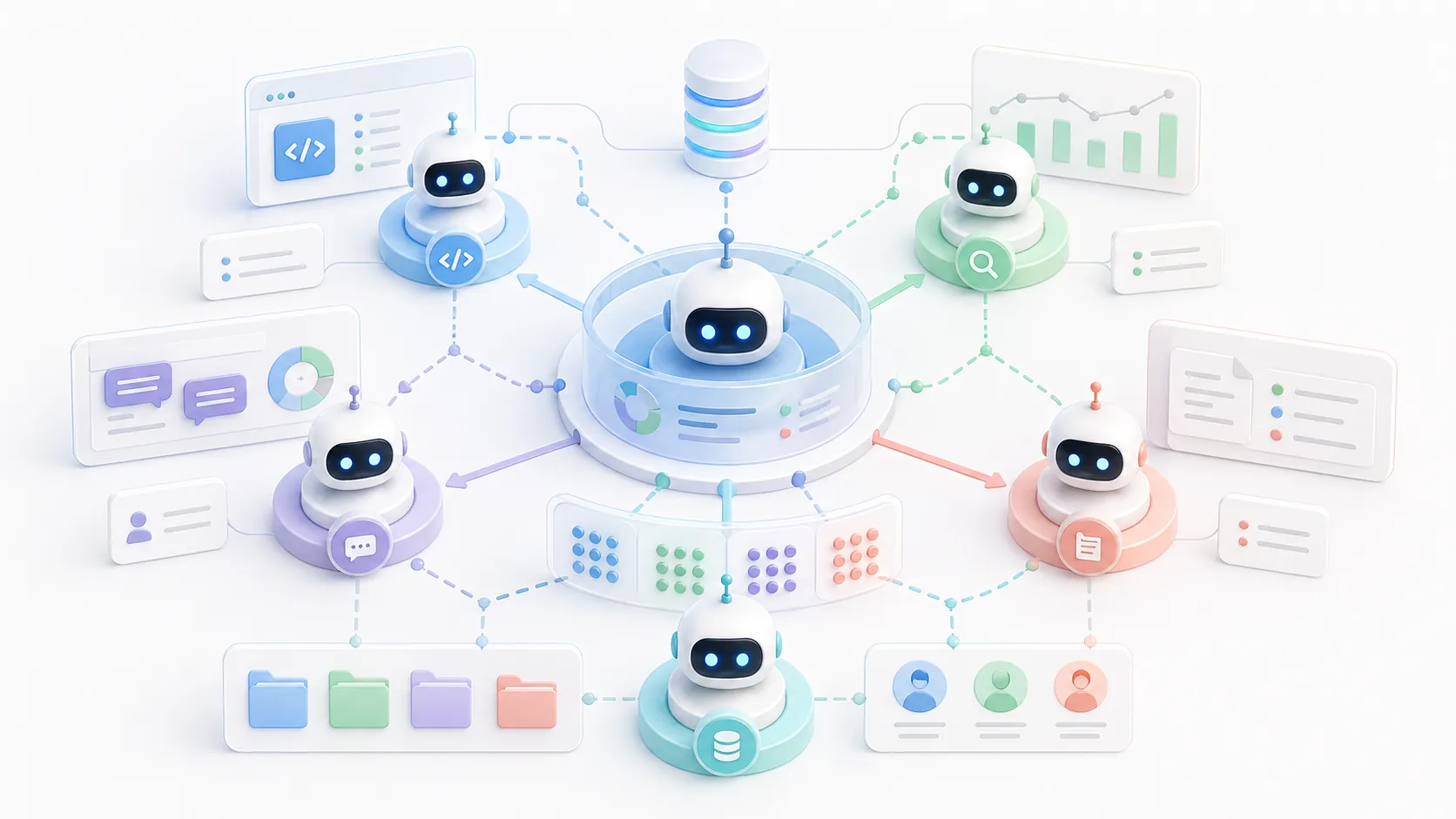
Multi-Agent Systems: Collaborative AI Architecture
Multi-Agent Systems explained: Orchestrator-Worker architecture, agent communication, fault tolerance, and AutoGen vs CrewAI vs LangGraph.
Read More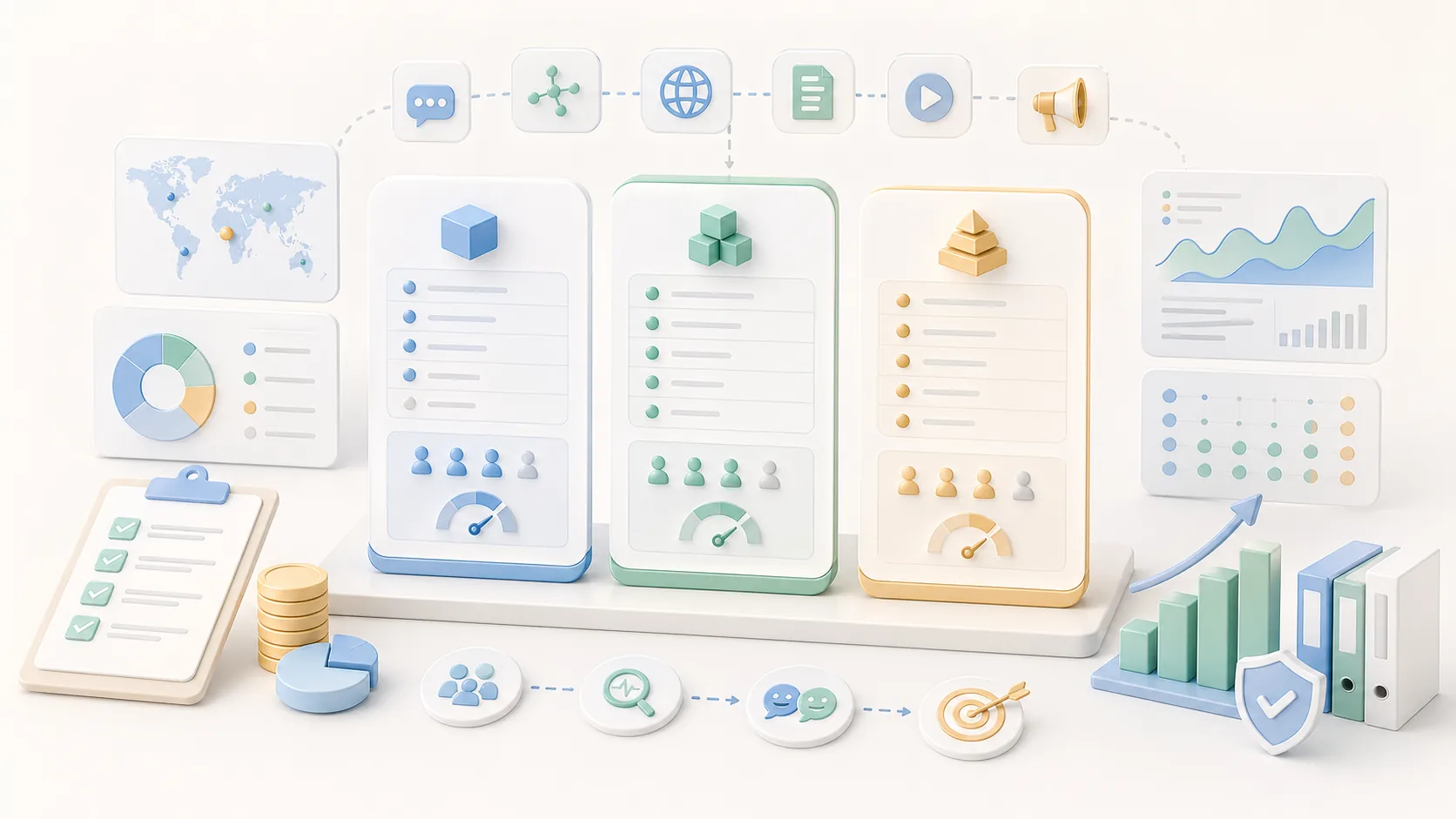
Sentiment Analysis Pricing 2026: Buyer's Guide
Sentiment analysis platforms cost NT$5,000 to NT$50,000+ a month. SaaS tiers, build vs buy, ROI evaluation and government procurement.
Read More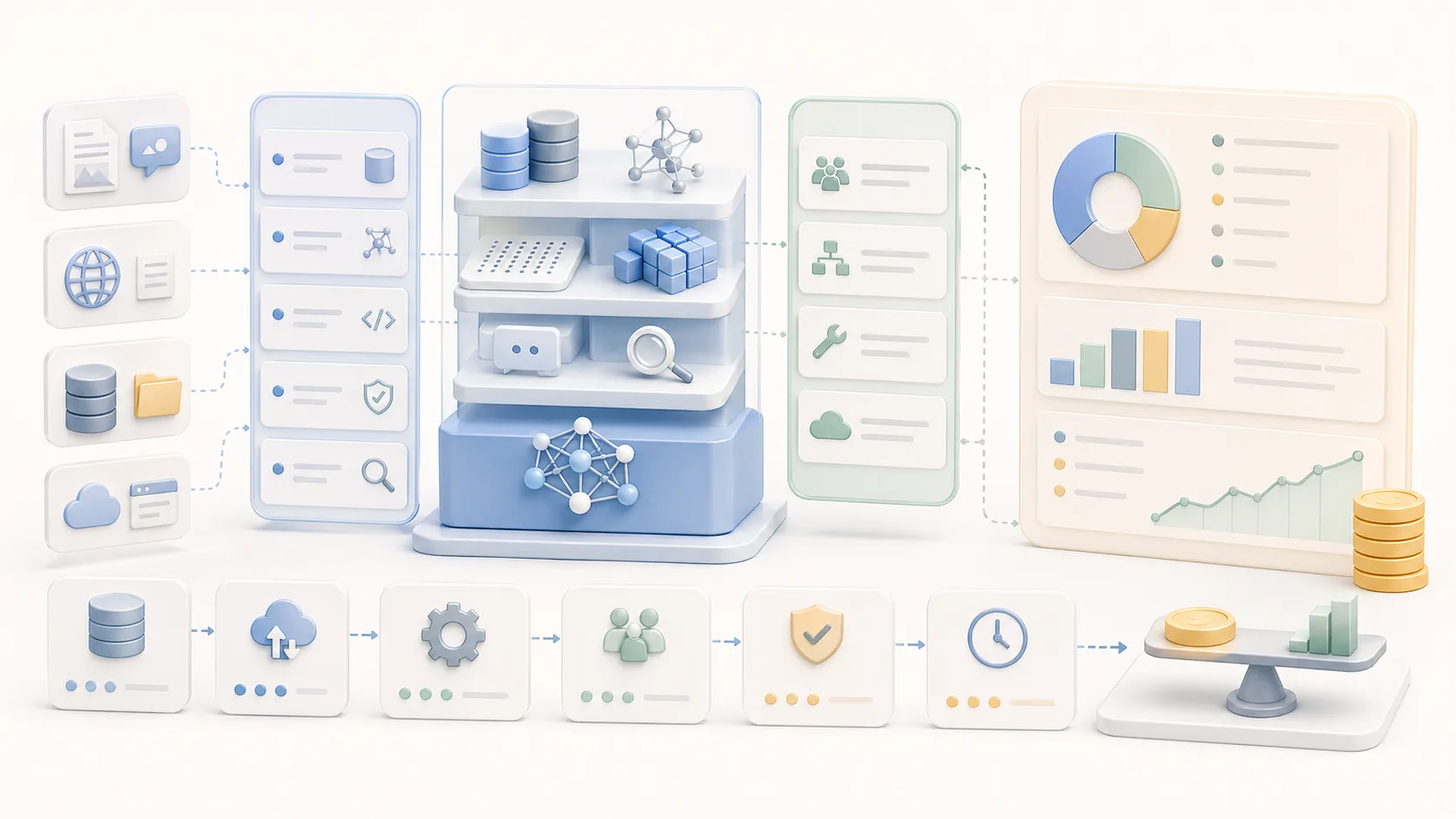
RAG Deployment Cost: Build vs Buy vs On-Premise
RAG deployment costs: cloud SaaS NT$5,000-80,000+/month, self-built cloud NT$4-9M/year, on-premise NT$3-8M hardware, plus full TCO.
Read More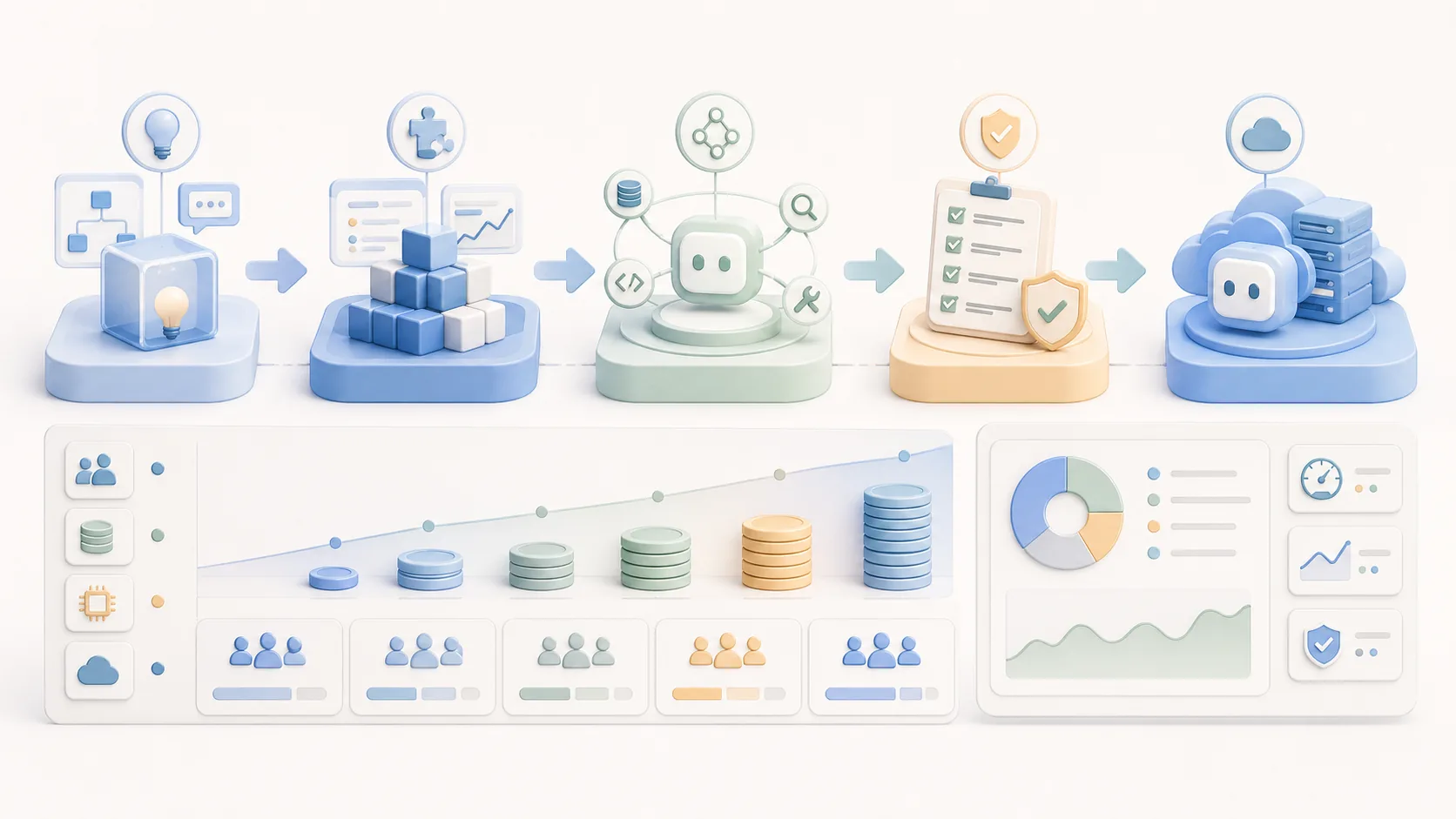
AI Agent Cost Guide: PoC to Production Budget
AI Agent build costs: NT$500K-2M for a PoC, NT$1.7M-17M a year in production. LLM API fees, headcount, frameworks and ROI.
Read More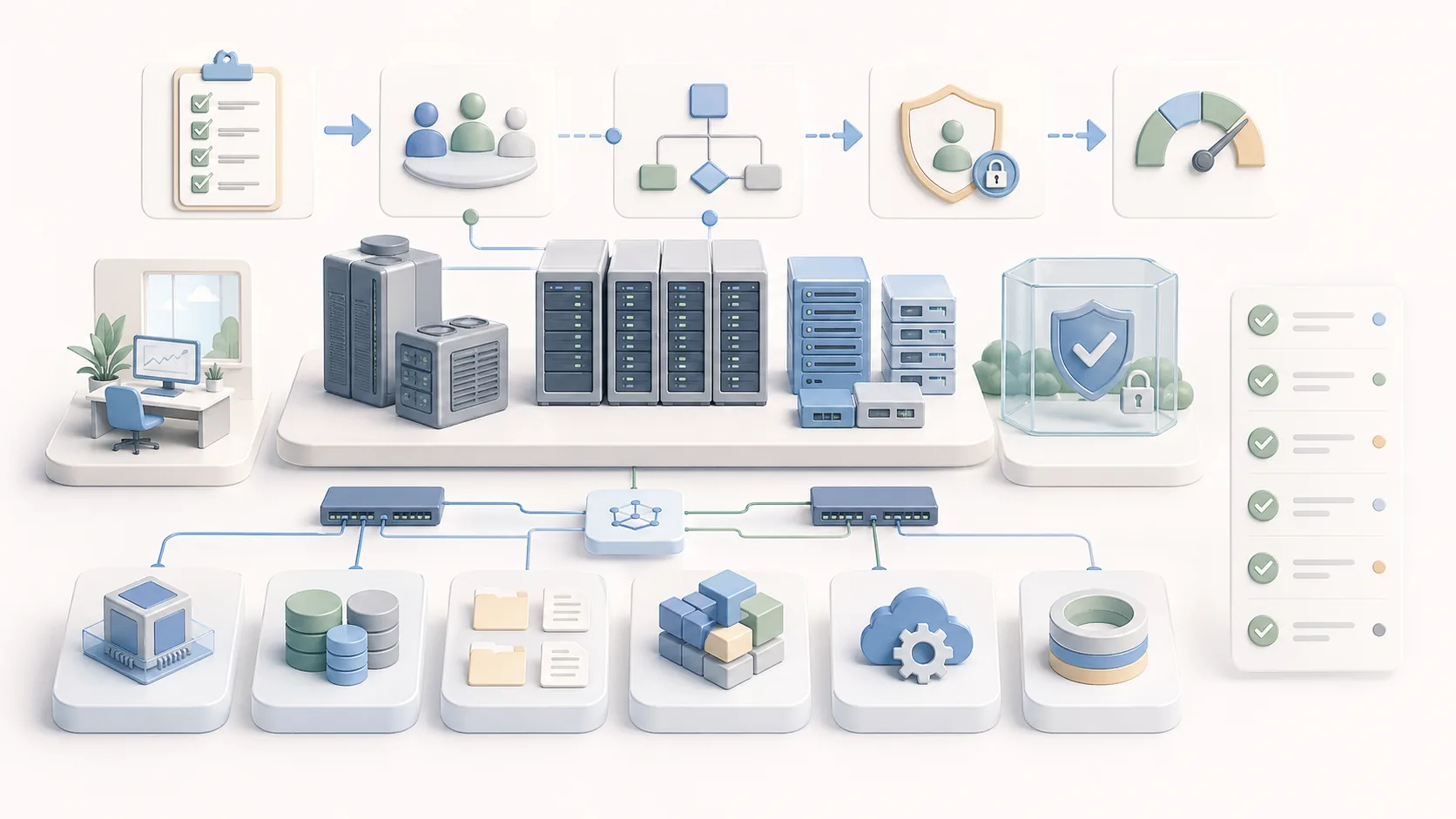
On-Premise AI Deployment Guide for Enterprises
2026 on-premise AI guide: DGX Spark, RTX PRO 6000 Blackwell, H200, B200 and B300 hardware, plus vLLM, SGLang and TensorRT-LLM.
Read More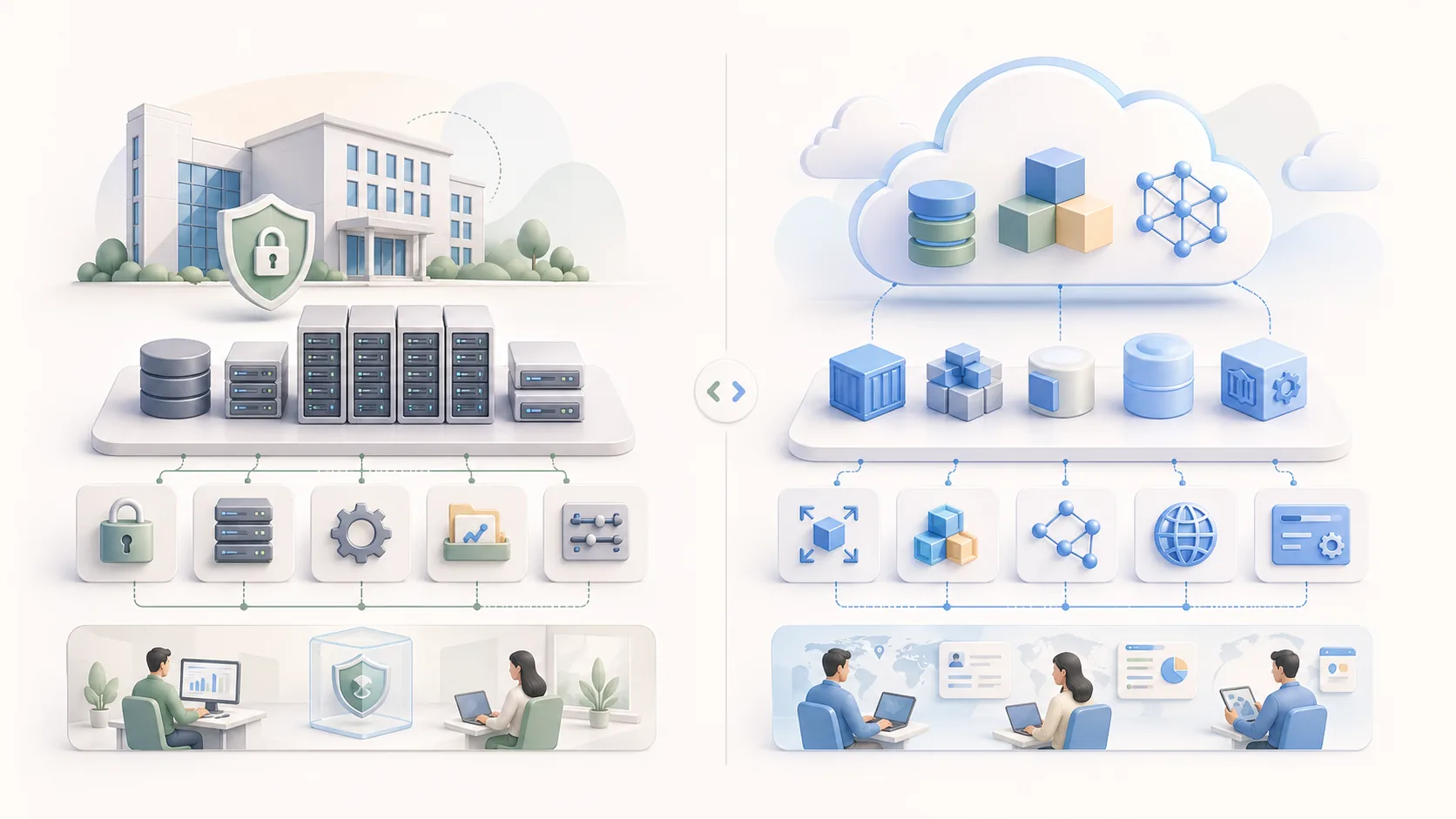
QubicX On-Premise vs Cloud AI: 5-Year TCO
A 5-year TCO comparison of QubicX on-premise AI and cloud AI: cost of ownership, data sovereignty, compliance and latency performance.
Read More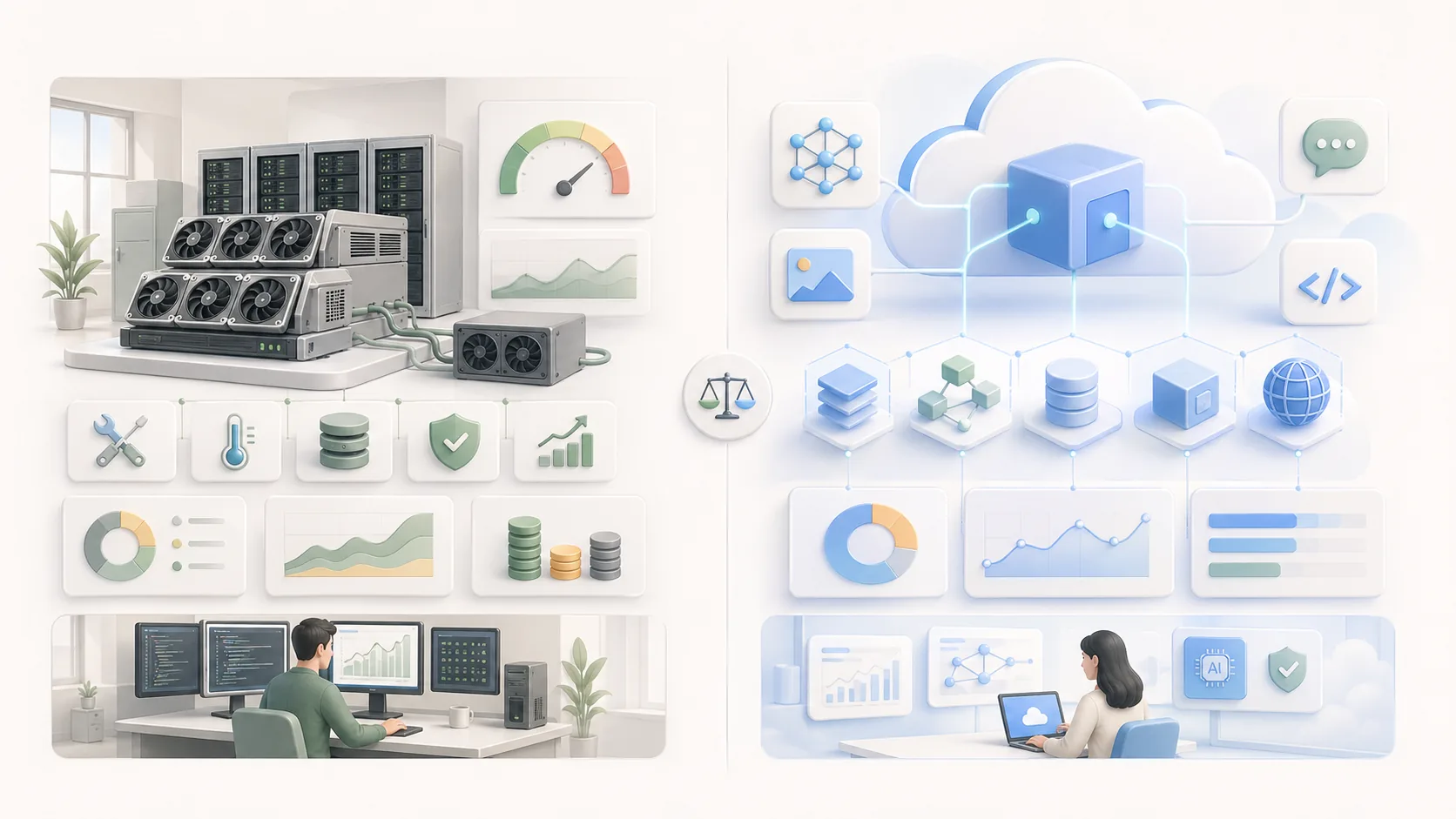
GPU Server vs Cloud AI API: Cost Comparison
GPU servers (A100/H100/L40S) vs cloud AI APIs (OpenAI/Anthropic/Google): break-even calculator, power, maintenance and financing.
Read More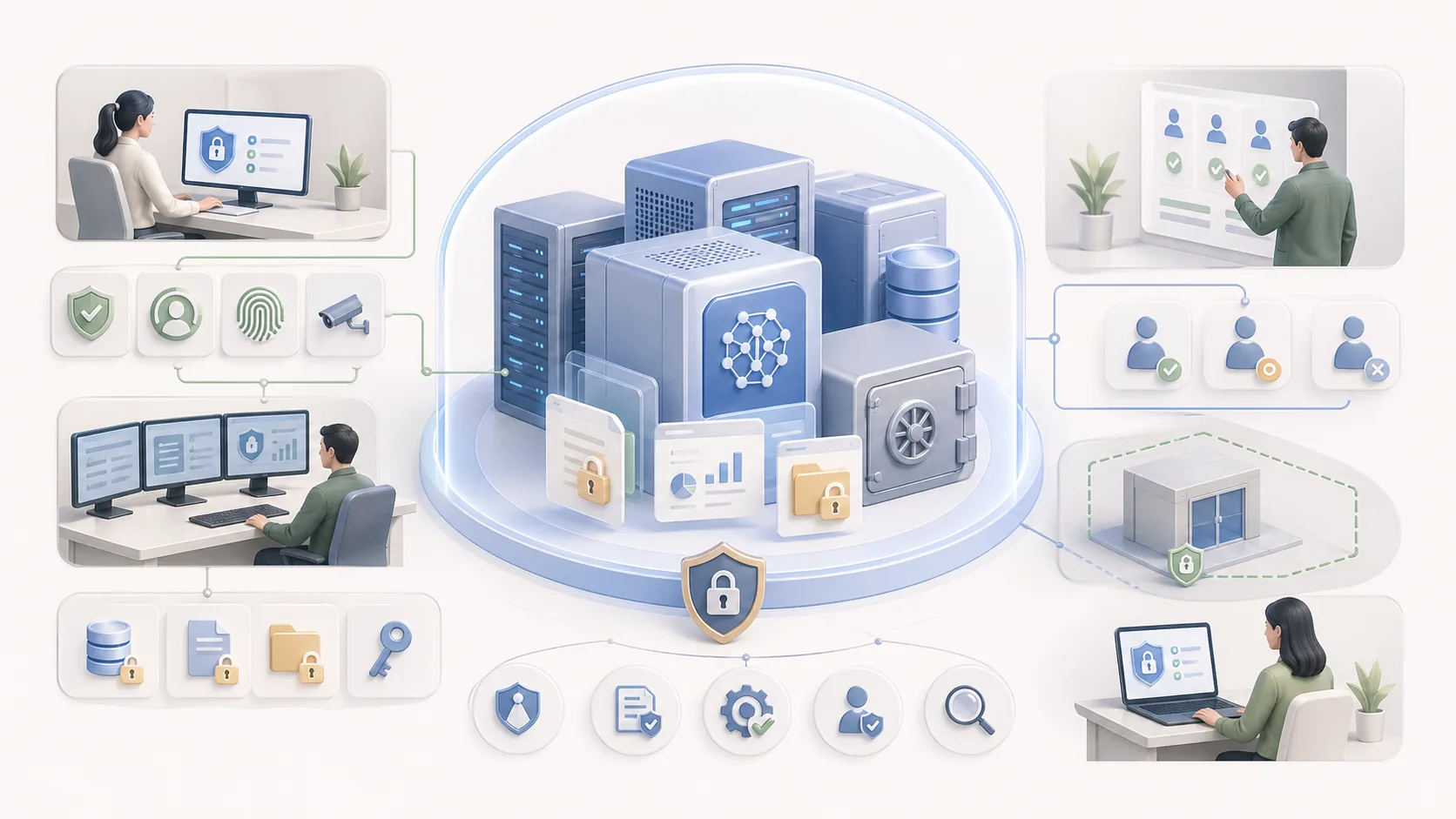
On-Premise AI Security: 5 Enterprise Advantages
Five security advantages of on-premise AI: PDPA compliance, financial regulation, cybersecurity law, access control and ISMS certification.
Read More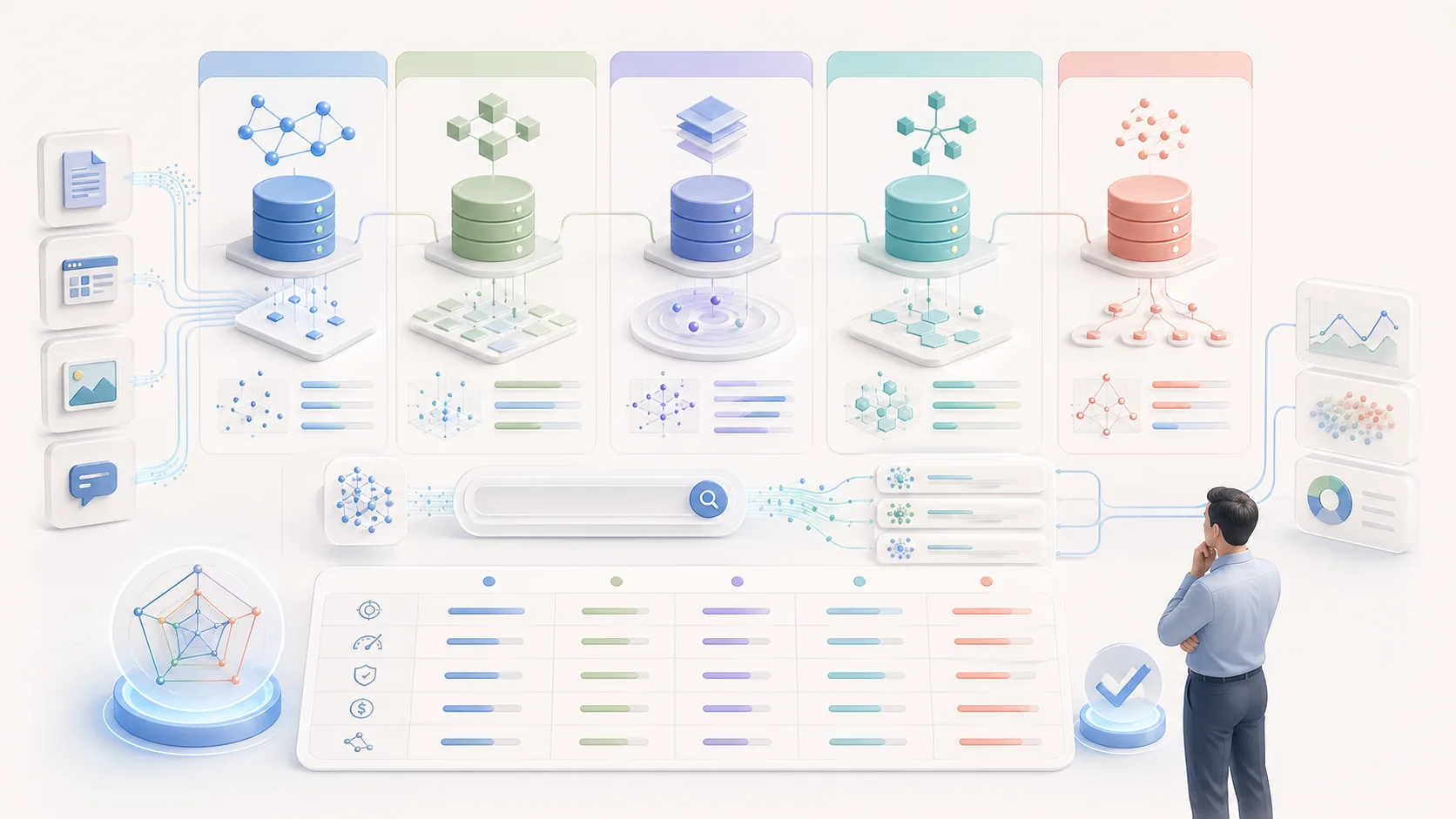
Vector Database Comparison: Pinecone to Qdrant
Pinecone, Weaviate, Chroma, Qdrant and pgvector compared on QPS, latency, pricing, deployment and LangChain integration for RAG.
Read More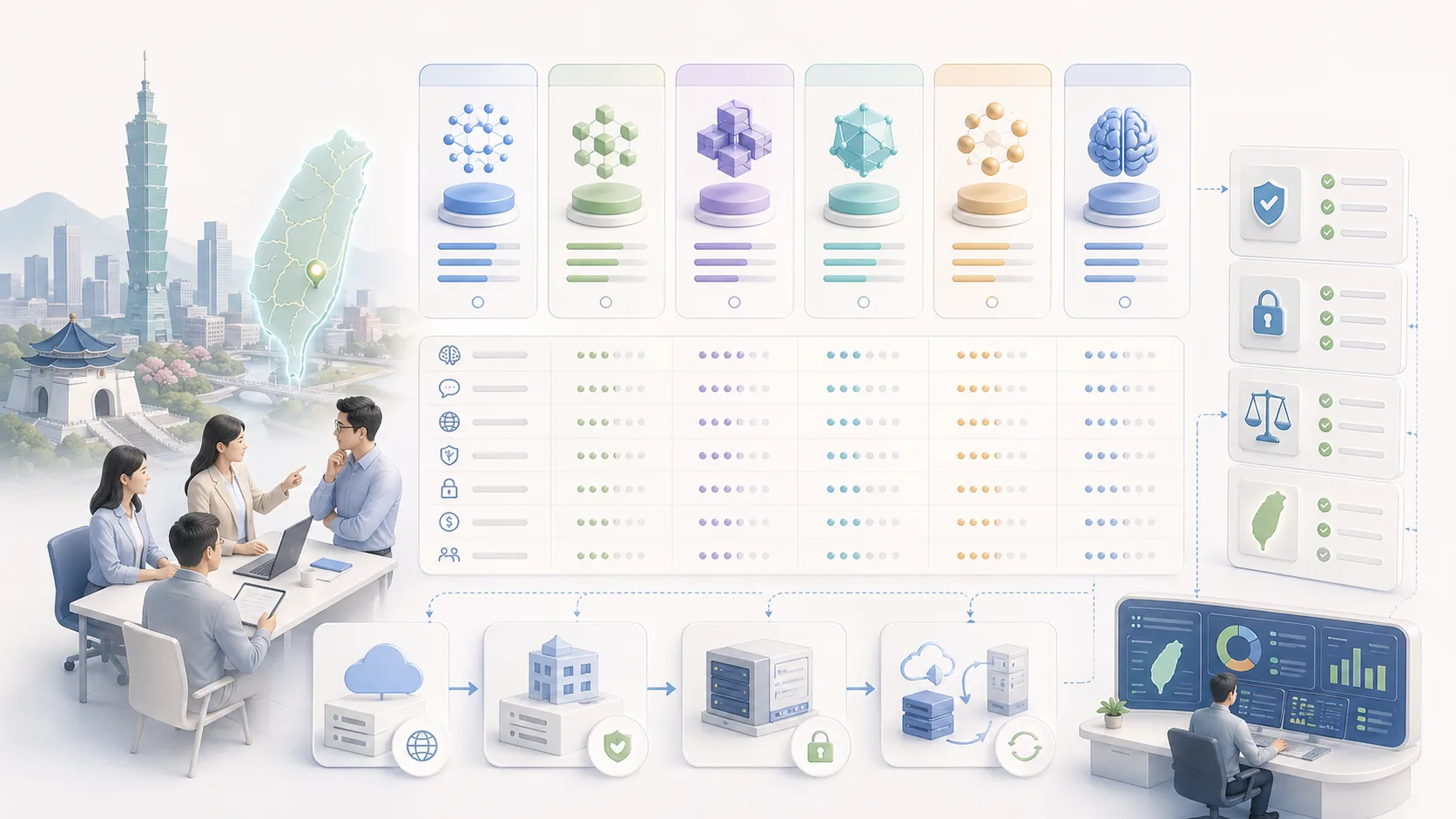
Taiwan Enterprise LLM Guide: Open & On-Premise
A 2026 Taiwan enterprise LLM guide: commercial APIs, open-weight models, Traditional Chinese, data sovereignty and on-premise hardware.
Read More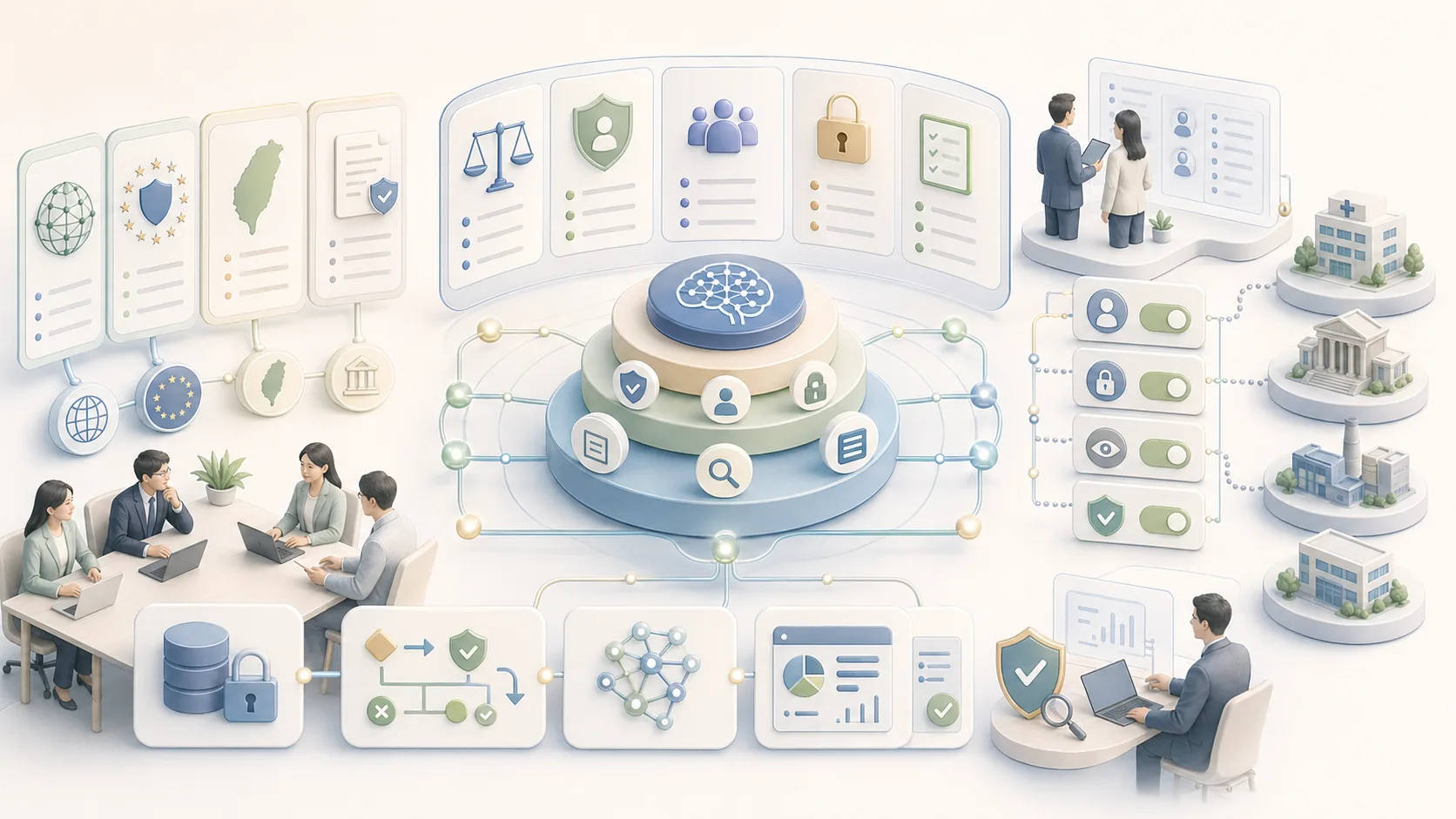
Enterprise AI Compliance: PDPA, GDPR & Finance
Enterprise AI compliance: Taiwan PDPA, GDPR cross-border transfer limits, FSC AI guidelines, cybersecurity rules and a checklist.
Read More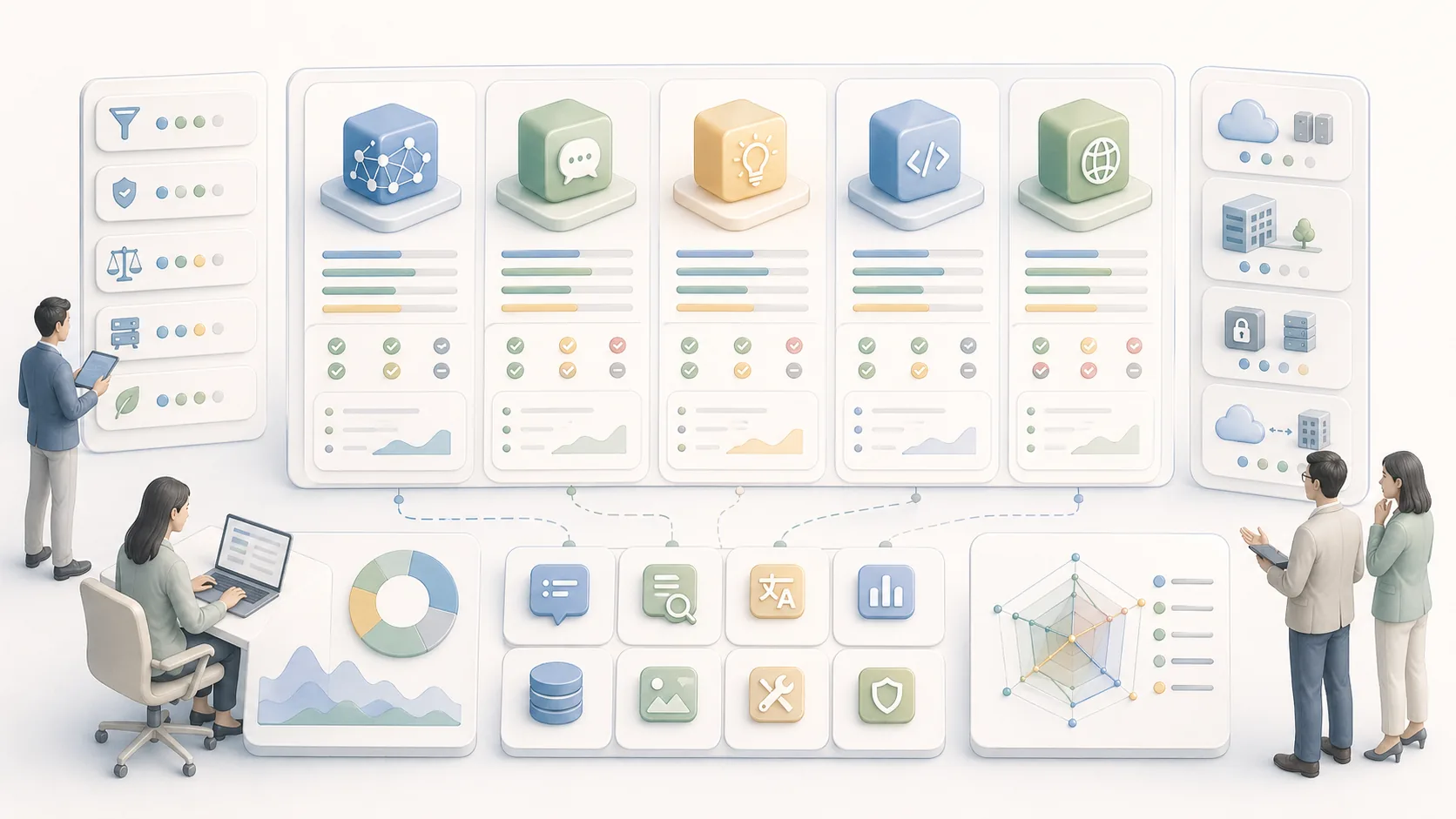
Enterprise LLMs: GPT, Claude, Gemini & Grok
2026 enterprise LLM ranking on eight dimensions: reasoning, Traditional Chinese, code, long context, SLA, guardrails and token cost.
Read More
What is Threat Intelligence? Enterprise Guide
Threat intelligence and OSINT explained: sanctions screening (OFAC/EU/UN), dark web monitoring, geopolitical risk and adoption.
Read More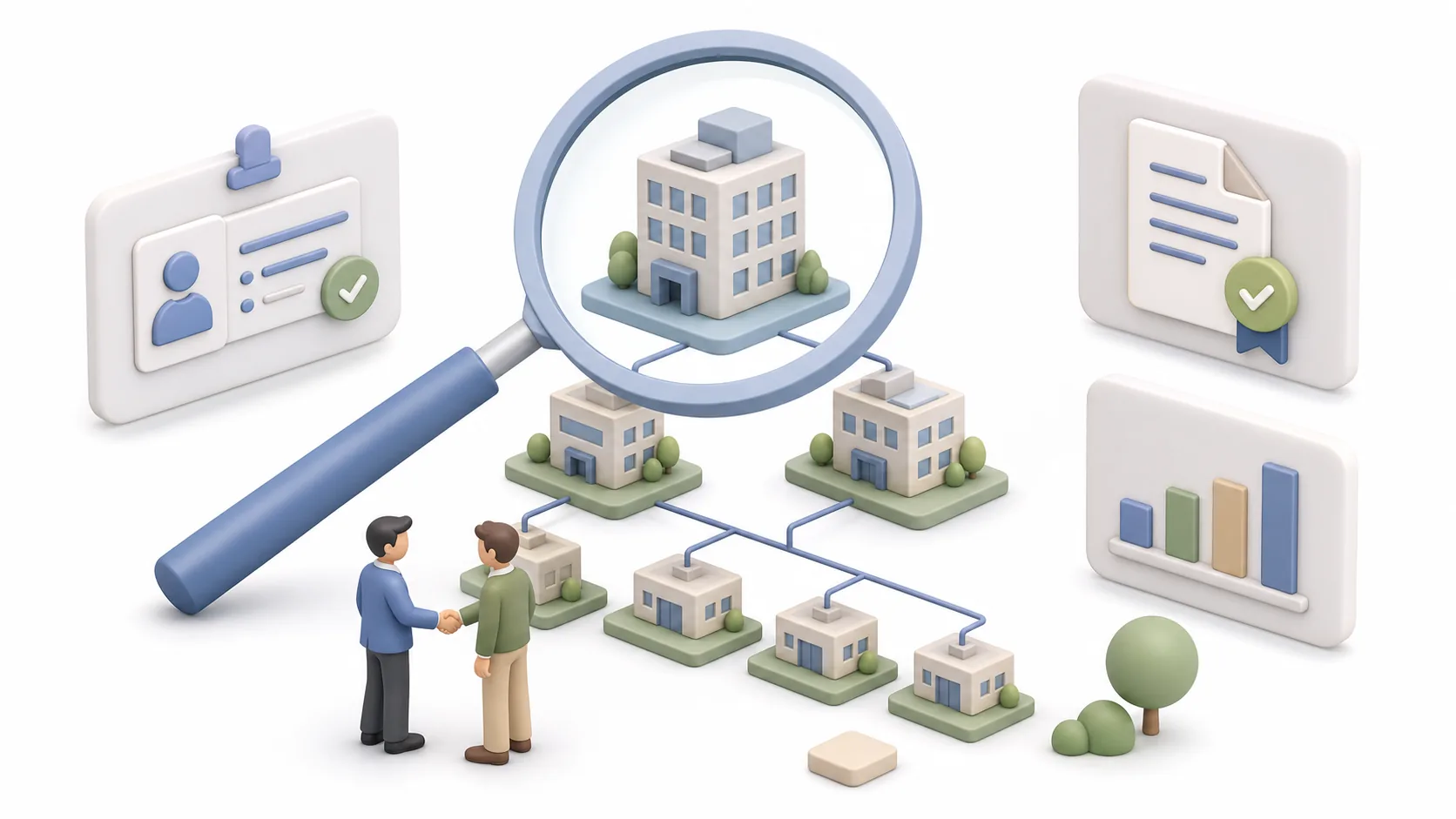
KYB Guide: Know Your Business Due Diligence
A KYB and business due diligence guide: ownership structure, related-entity networks, adverse media screening and procurement records.
Read More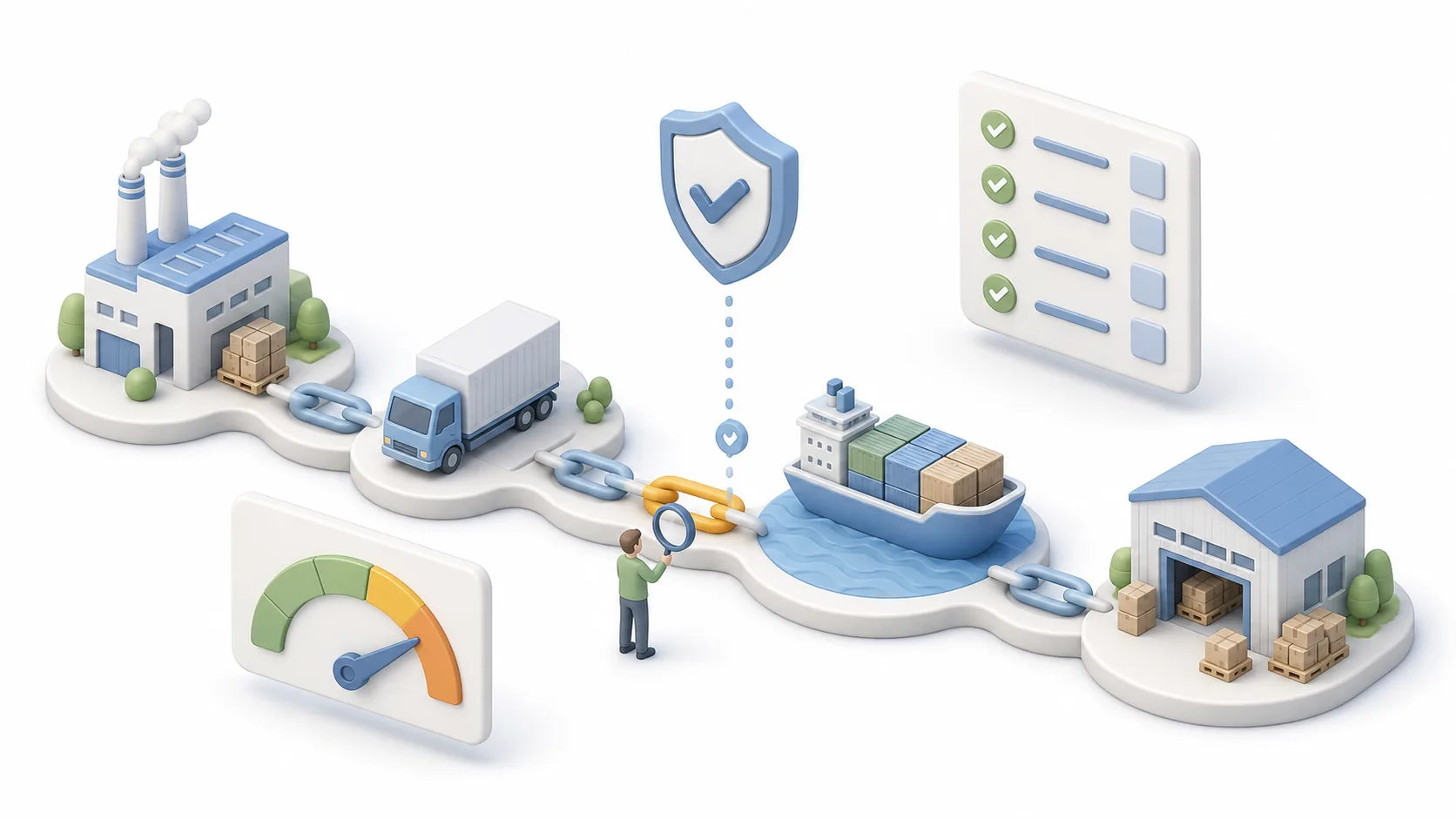
Supply Chain Security Review: Supplier Risk
A supply chain security review guide: country risk, sanctions screening, beneficial-owner checks, compliance and continuous monitoring.
Read More
Government Procurement Intelligence for Vetting
Use public procurement data to analyze award records, performance and bidding behavior for objective B2B due diligence.
Read More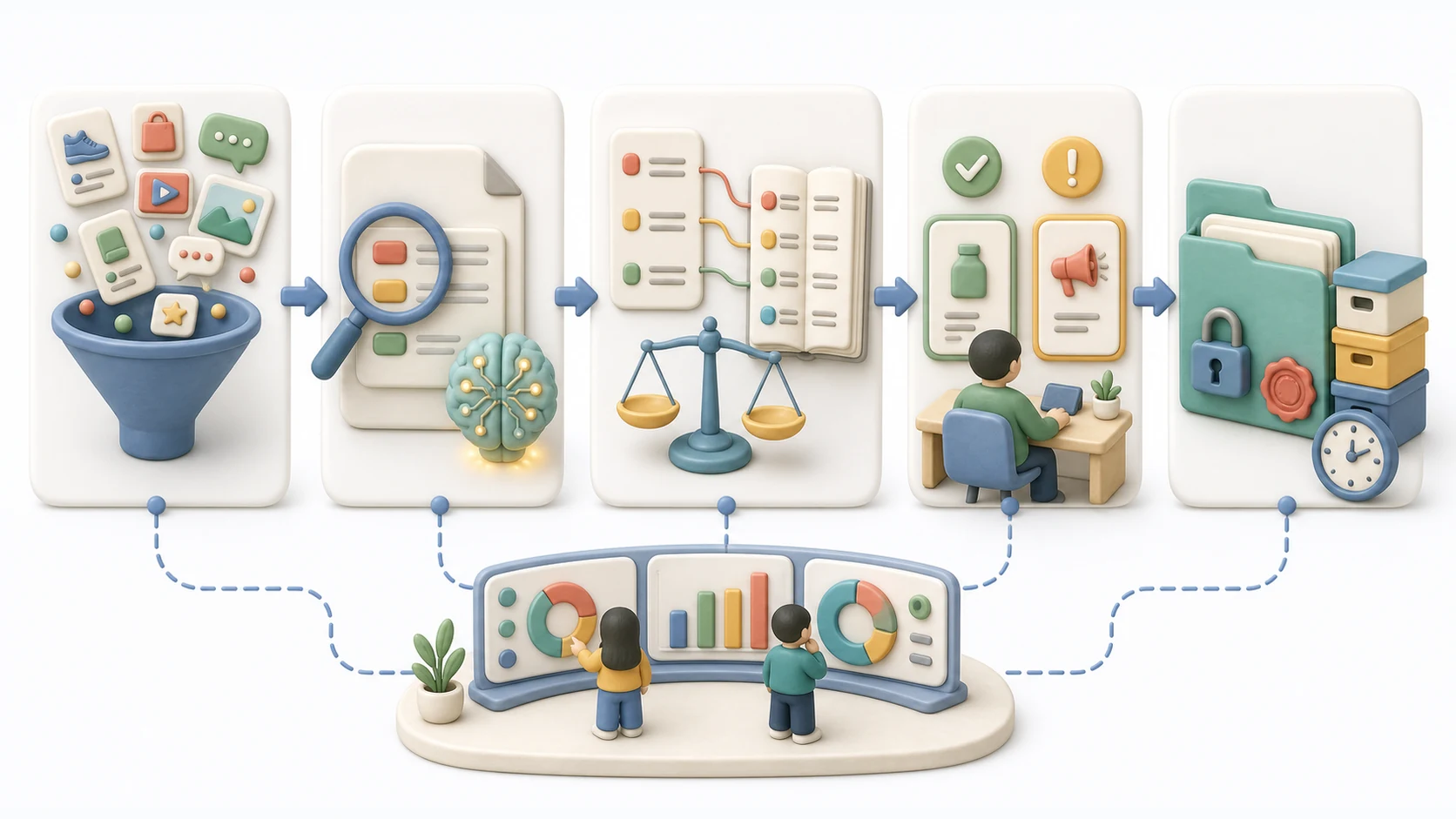
AI Ad Compliance: What Content Needs Review?
AI ad compliance detection explained: large-scale ad collection, risk flagging, regulatory matching, human review and evidence keeping.
Read More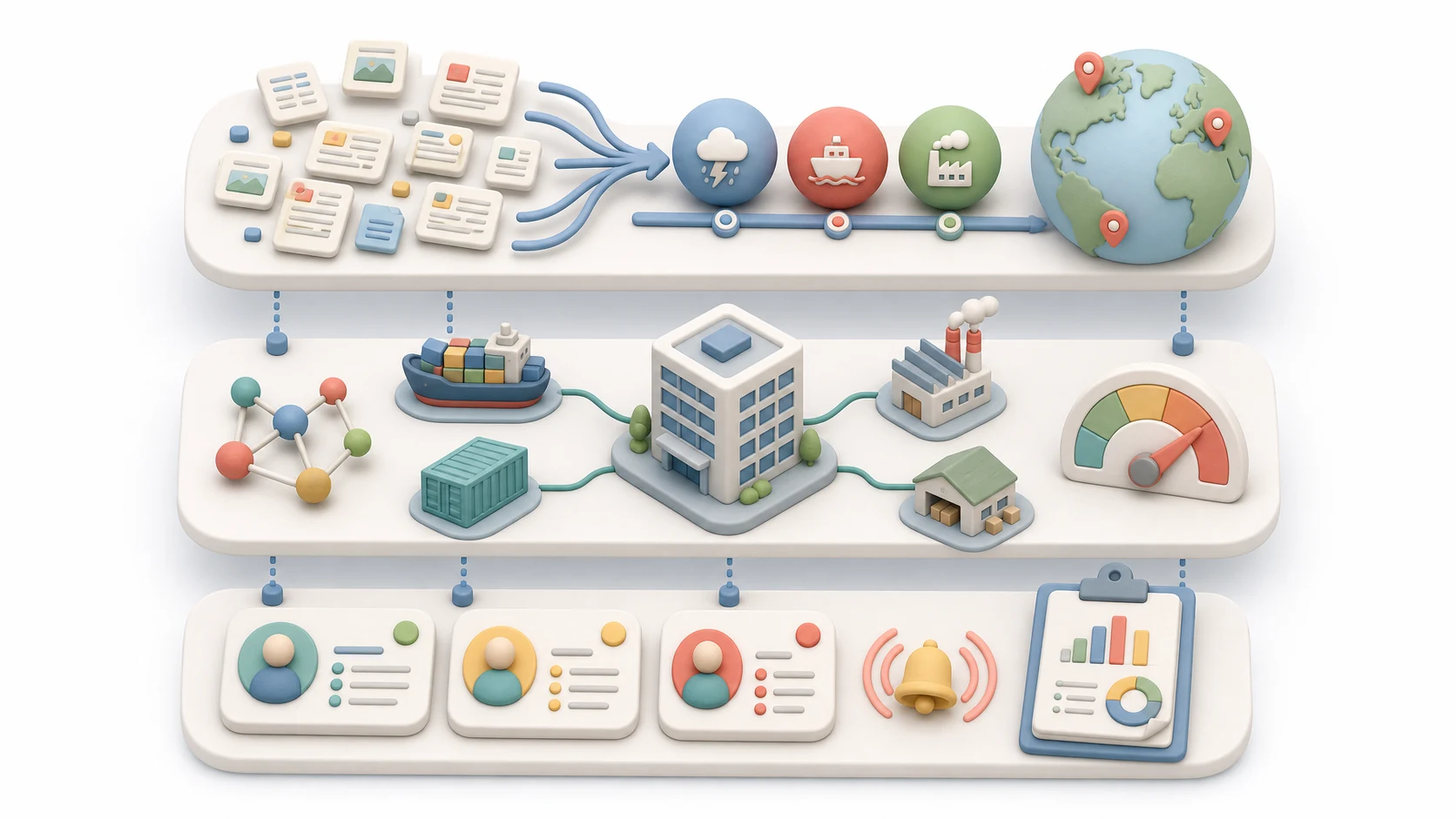
What is a Global Risk Intelligence Platform?
Global risk intelligence platforms explained: data sources, core modules, and the event-exposure-action architecture behind them.
Read More
Weibo, Xiaohongshu & Douyin Data: Access Guide
How Weibo, Xiaohongshu (RED) and Douyin data differ, why access from outside China is hard, the four access routes, and what it is used for.
Read More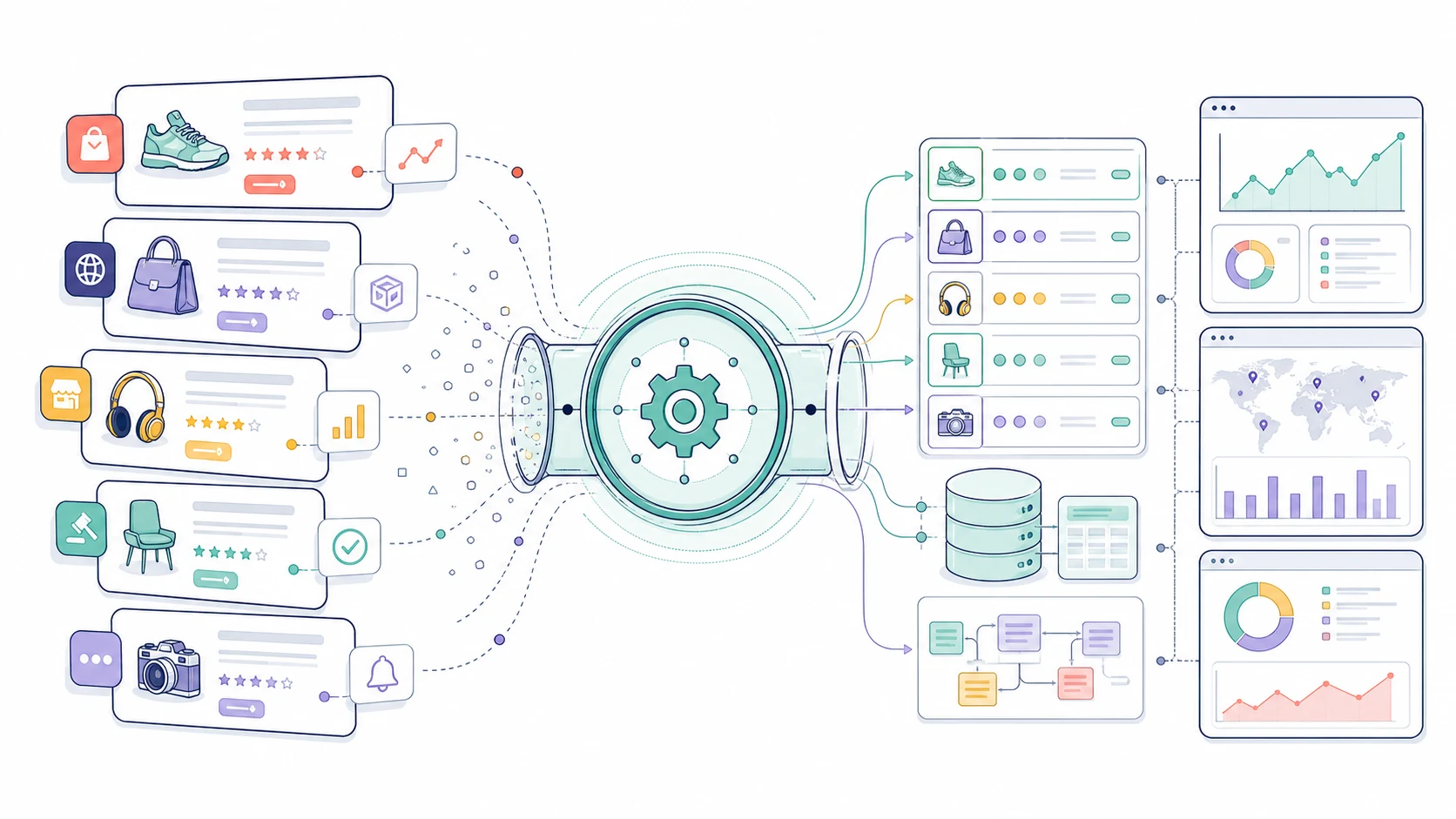
What is an Ecommerce Data API? Field Guide
Ecommerce data APIs explained: product, price, ranking, review and Q&A fields, cross-platform schemas, delivery options and rollout steps.
Read More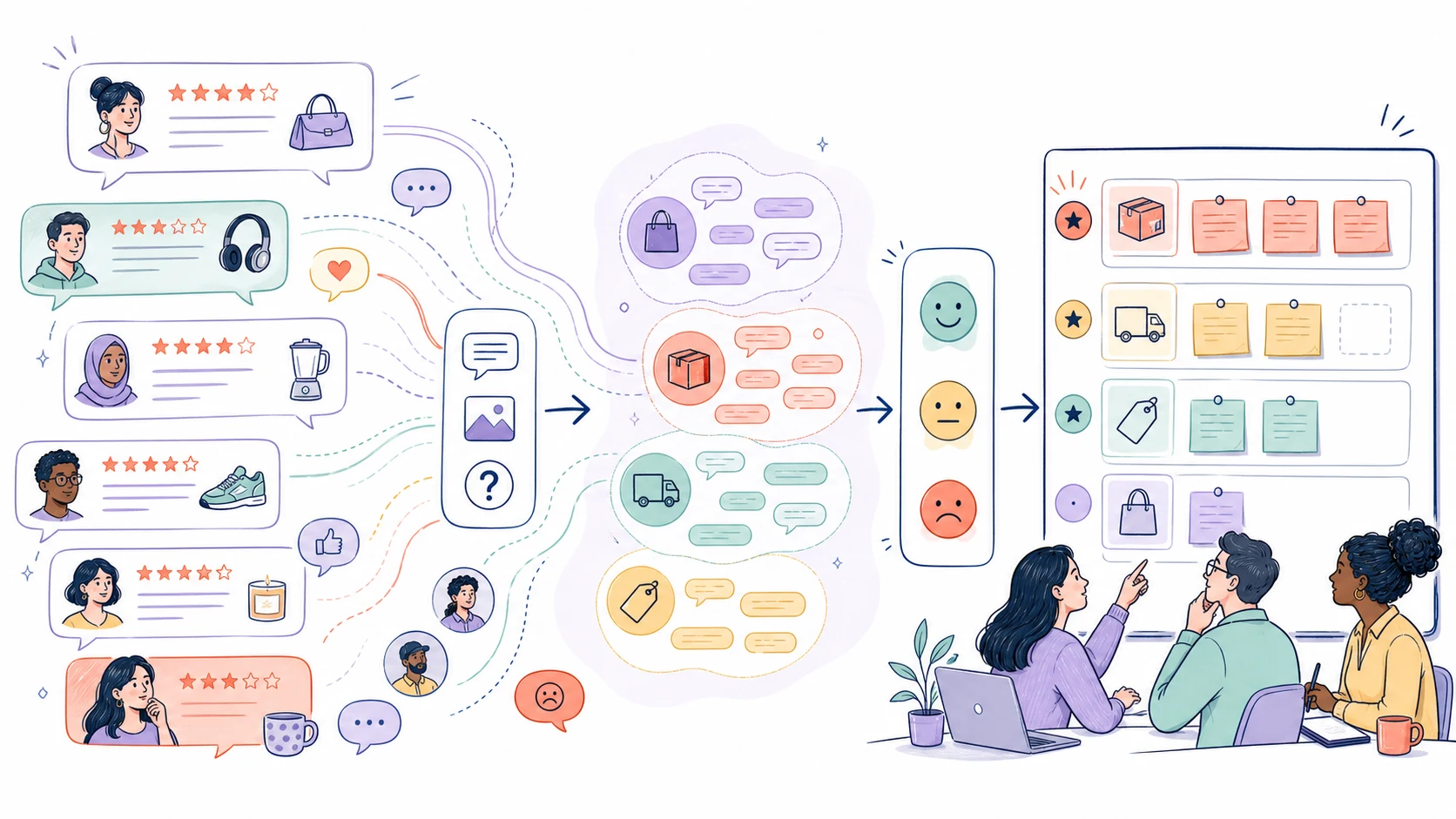
Ecommerce Review Voice of Customer Analysis
Turn ecommerce ratings, reviews, product Q&A and public discussion into Voice of Customer insights, product pain points and action priorities.
Read More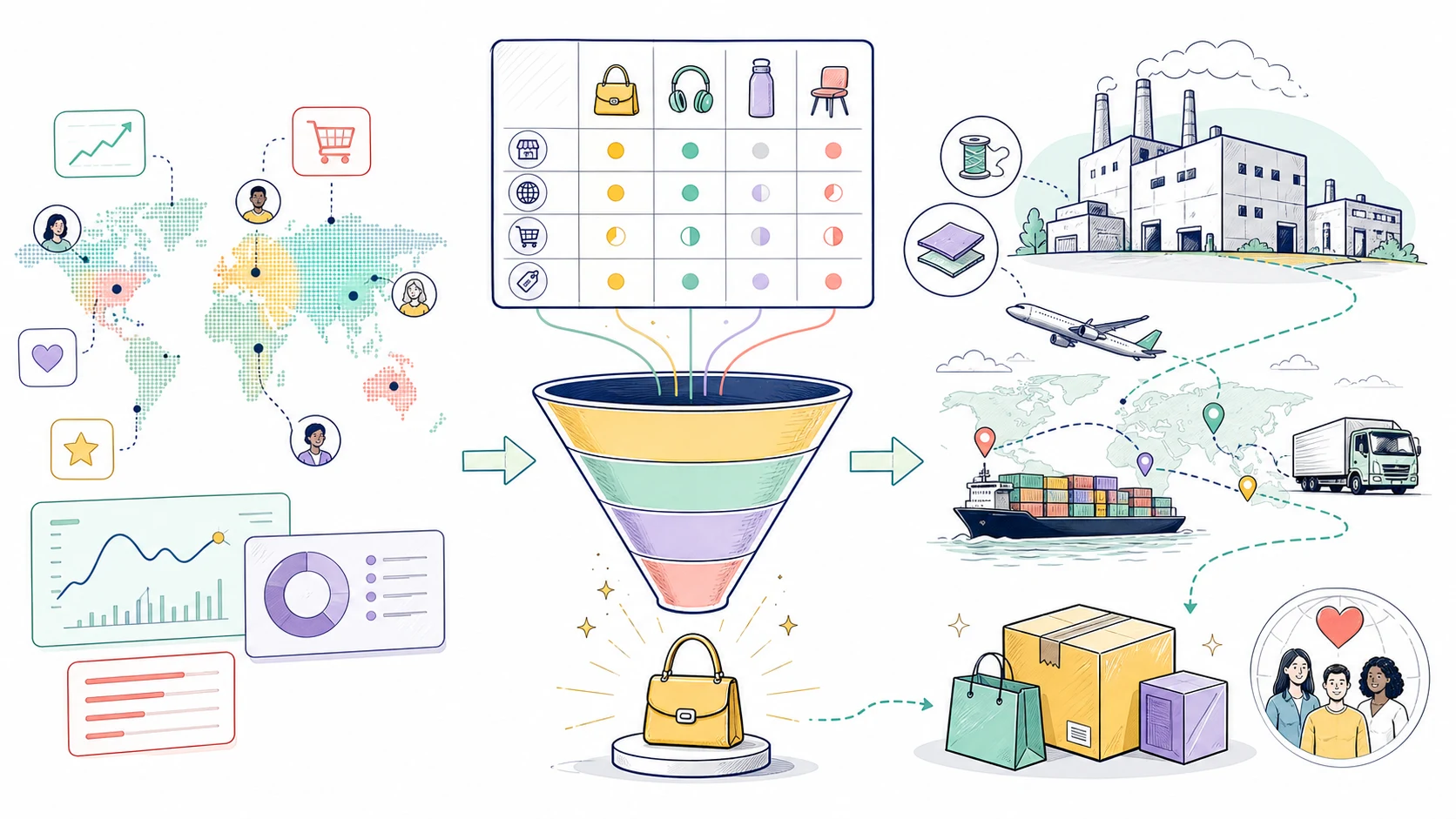
Cross-Border Product & Competitive Intelligence
A cross-border product intelligence framework linking search, rankings, reviews and public discussion to competitor and supplier analysis.
Read More